Youth-led ECO community projects for prevention of school drop-outs

Youth-led ECO community projects for prevention of school drop-outs

As associated partners, we contributed to the development of the following project and its outputs:


Programme: Erasmus+

Key Action: Partnerships for cooperation and exchanges of practices

Action Type: Cooperation partnerships in youth

Project Identifier: 2023-1-PT02-KA220-YOU-000156550

Project Title: Youth-led ECO community projects for prevention of school drop-outs

Topics: Community development; Green skills; Preventing early school leaving and failure in education

Results Platform Project Card: https://erasmus-plus.ec.europa.eu/projects/search/details/2023-1-PT02-KA220-YOU-000156550

Funded by: the Portuguese National Agency for the management of the Erasmus+ Youth in Action programme (Agência Nacional para a gestão do programa Juventude em Acção).


Project partners are:

  • DOTS – Cooperativa de Inovação Social para a Transformação Social, CRL; Portugal
  • LINK DMT s.r.l.; Italy
  • Centre for Non-formal education and Lifelong learning; Serbia
  • Learning Wizard d.o.o.; Croatia


Project duration: 19 months – from 01/12/2023 till 30/06/2025.


Summary of the project:

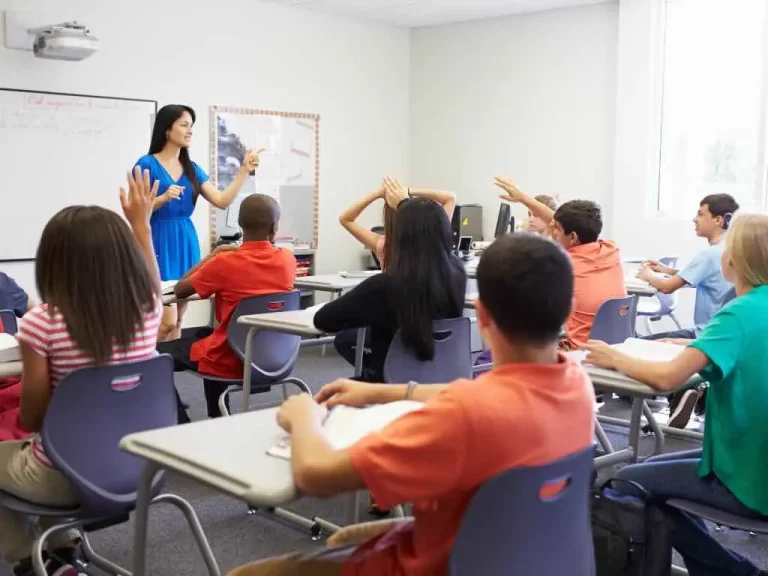
School drop-out is considered to be a serious problem in Europe, and it is caused by poverty, emigration but also different social factors that deprive young people from having experiential learning activates and a positive environment in their schools. Even though there are many updates in the system of education and laws that are enforced to help the situation and reduce the drop-out rate, the phenomenon is still quite present especially in some regions and rural areas. School environment is still not considered fully attractive for young people, on the contrary, it can be a potential space for bullying, peer-violence, and similarly does not focus on providing continuously activities that foster social inclusion of youngsters.


The idea of having youth involved in social and environmental projects in their community through the engagement and support of their schools, especially in regions where the school drop-out rate is high, is the main motivation for this project to be implemented. School drop-out rate as a phenomenon still is quite present in our countries despite the efforts of governments in adopting new laws and regulations for more innovative and practical approaches to education, as well as despite the efforts by the teachers to provide quality learning to their students.


The school drop-out rate can be increased due to many factors such as poverty, emigration, bullying in schools, lack of social interactions and inclusion within the school environment, lack of critical thinking development among youngsters in schools, lack of ability to accept the presence of other cultures and embrace diversity, and related causes. Listing all these reasons that cause increase or stagnation of school drop-out rates, it can be concluded that there is an urgent need to offer effective long-term solutions that offer attractive, interactive, inclusive and motivational school environment for all youngsters in the partner organisations’ countries and throughout Europe in order to support the 2030 EU target in having the school drop-out rate below 9%.


Non-formal education principles have been embraced by a high number of youngsters throughout Europe and globe, as well as considered highly attractive and practical. On the other hand, the formal education institutions do not necessarily contain interactive spaces and activities for their students. Youth work and NFE methods have resulted in being motivational and bringing interaction, embracing diversity among young people. Although there are different programmes provided through the non-formal education programmes, there is still a big gap on connecting and cooperating between youth workers and school teachers that can lead to fruitful results and prevention of school drop-out through the combination of formal and non-formal education methods, as well as through the exchanging of practices, support in processes and stimulating youngsters in becoming active citizens.


This project uses an innovative approach with various activities, involvement of associate partners from different sectors, including schools to address the needs of youngsters, with the main aim to provide a solution which is considered attractive and useful for the community and environment at the same time and promote the inclusion and diversity in education, youth work and local communities.


The specific objectives of the project are:

Empowering youngsters in organising (eco) community projects and strengthening their competences for life through innovative toolkit and online course on initiating and implementing activities within green community service and learning programmes;

Empowering youth workers’ capacities in collaborating with schools on reducing the school drop-out rates through developing community service and learning programmes for young students (mainstream and at risk) – through innovative curriculum;

Exchange good practices among 4 European countries with different realities regarding school drop-out rates and the active citizenship of youth in communities and increase partnership on multiplication of the project results Europe wide.


Project activities are:

A1 – Project Management

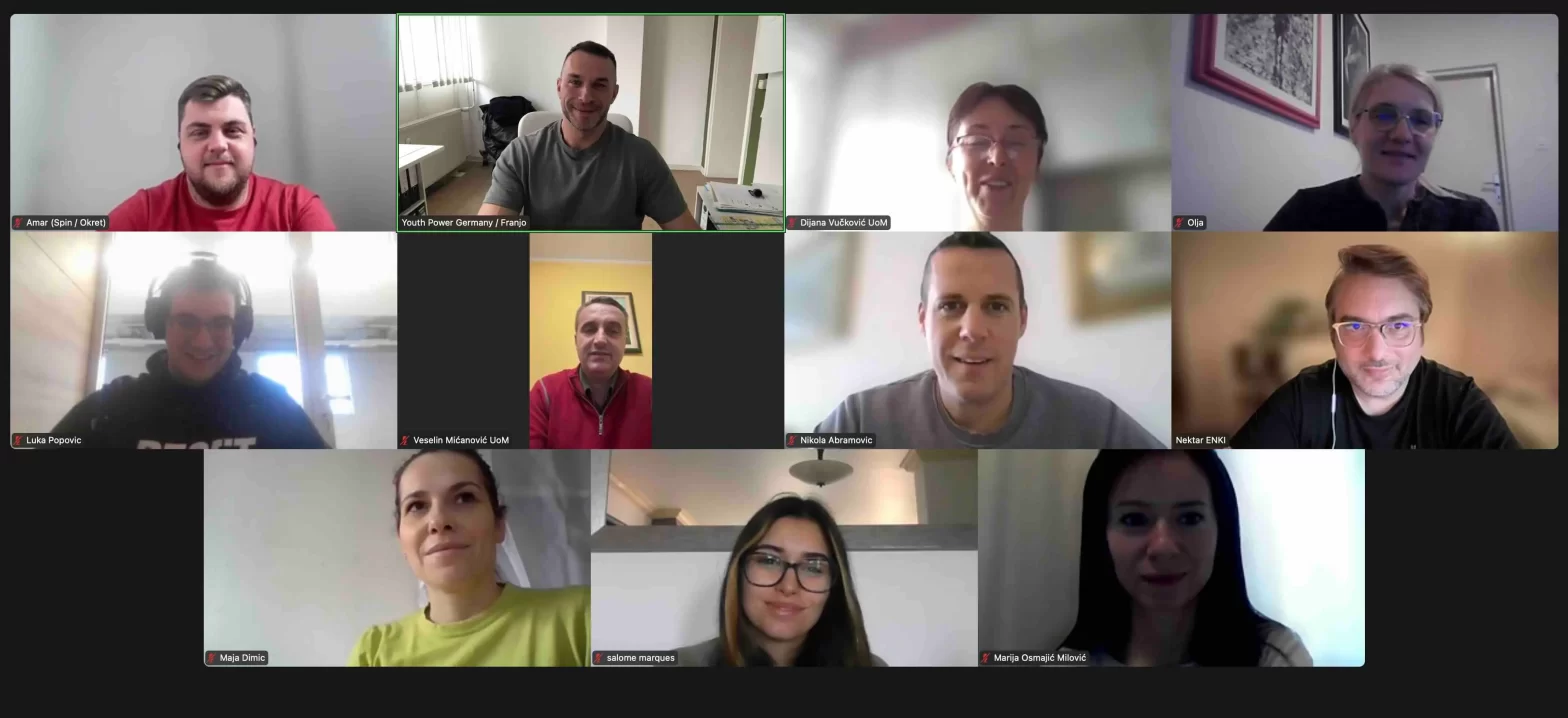
Key meeting – kick-off – online

O1 Toolkit of youth work for organising (eco) community projects as a methodology to prevent school drop-out

O2 Online course for youngsters on step-by-step in organising (eco) community projects

Key meeting – mid-term – online

O3 Curriculum for educating youth workers in collaboration with schools/teachers on reducing the school drop-out rates through developing community service and learning programmes for young students.

Local/national training courses

National conference – PT

National conference – HR

National conference – IT

International conference – RS

Key meeting – Evaluation meeting


Project results:

O1: Toolkit of youth work for organising (eco) community projects as a methodology to prevent school drop-out

O2: Online course on organising (eco) community projects

O3: Curriculum for educating youth workers in collaboration with schools/teachers on reducing the school drop-out rates through developing community service and learning programmes for young students


All project outputs (Toolkit, Online course and Curriculum) can be found on the following link: https://coop-dots.com/projects/

————


*Funded by the European Union. Views and opinions expressed are however those of the author(s) only and do not necessarily reflect those of the European Union or the European Education and Culture Executive Agency (EACEA). Neither the European Union nor EACEA can be held responsible for them.

SPIN IN SHORT

Our goal is to contribute to the development of a society with positive values, a society that is recognising the importance of critical thinking, healthy lifestyles and providing equal opportunities for all. Spin is dedicated to creating and providing equal opportunities for all.

LET’S CREATE TOGETHER

Have an idea that you want to turn into a project, have project you need help to implement, want to develop an online course?


Contact SPIN!

© Spin 2023 | Design by AMDesign
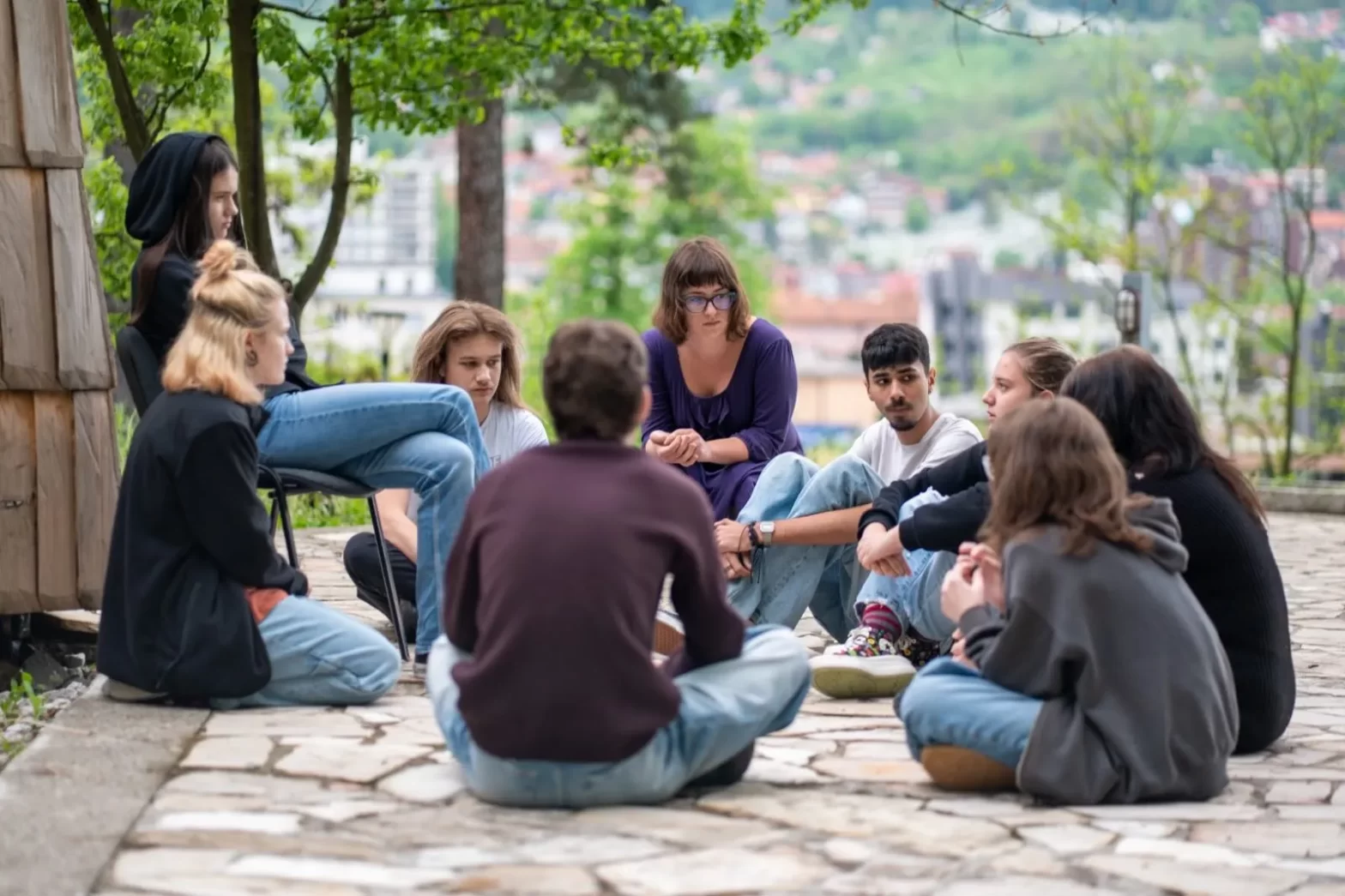
MY PEACE – Mini-launch event in Bosnia and Herzegovina

MY PEACE – Mini-launch event in Bosnia and Herzegovina

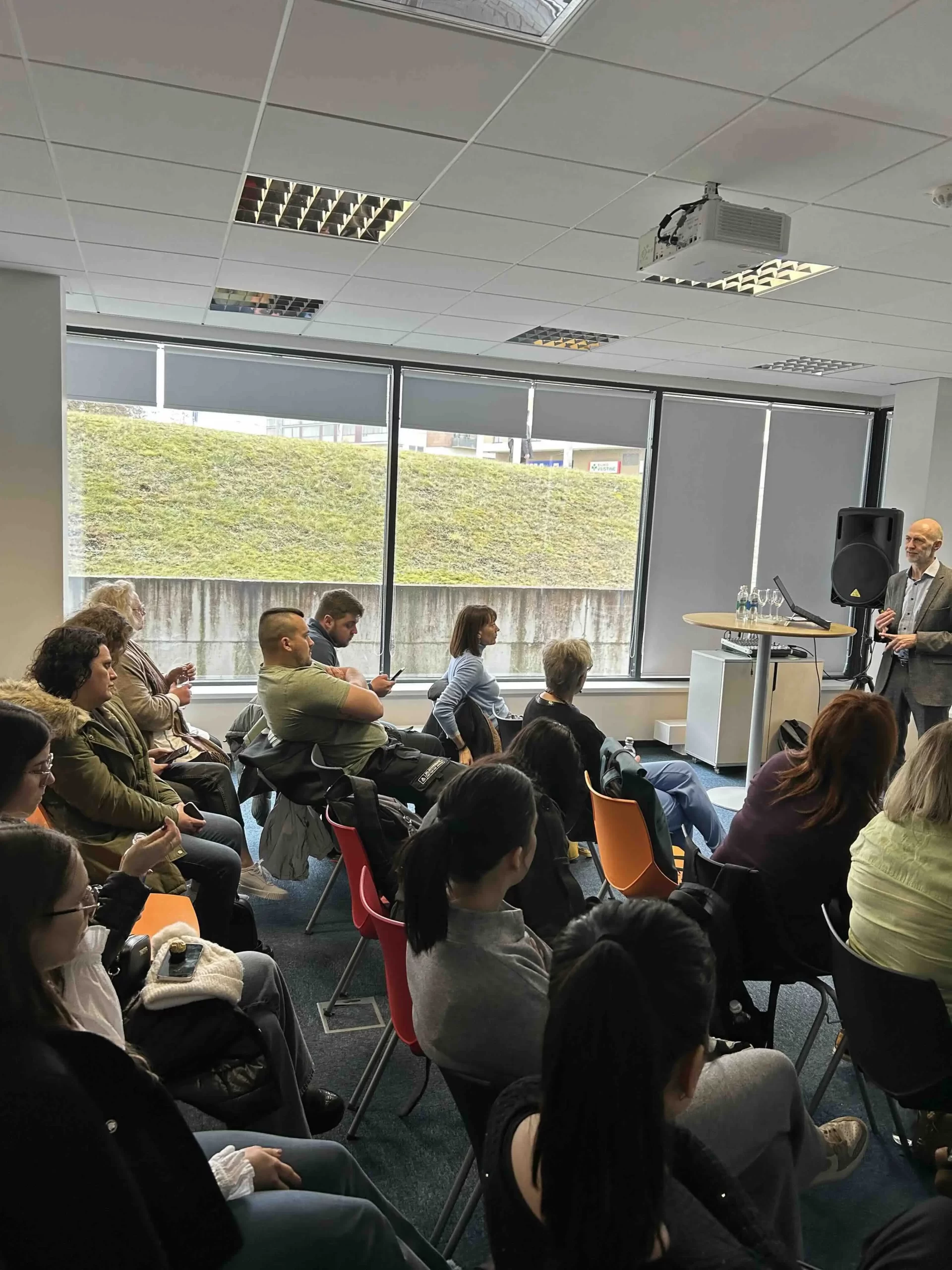
Last month, 20 youth workers, NGO representatives, and young change makers gathered in Bosnia and Herzegovina to promote the MY PEACE project and its newly launched tools for youth peace-building through music.


The event highlighted two major achievements of the project—the MY PEACE Roadmap and the MY PEACE Compendium. The Roadmap provides practical guidance for educators and peace-builders to actively involve young people in reconciliation processes, while the Compendium features 30 inspiring examples of how music has been used as a tool for healing, activism, and connection across communities.


Through interactive presentations, roundtable discussions, and outdoor group work, participants explored how music can build bridges—locally, regionally, and internationally. Younger participants shared their visions for music-driven peace efforts, while experienced educators offered insights from past initiatives.

The gathering showcased not only the power of music but also the strength of intergenerational and cross-sector collaboration in shaping a peaceful future in the Western Balkans and beyond.

This activity was organised as part of the “MUSIC OF YOUTH – A PEACE Building Approach” project, a 2.5-year initiative aimed at empowering youth to engage in the peacebuilding process through music, making it both attractive and accessible to young people.


To learn more about the project and stay up to date with news, check the project website here.

SPIN IN SHORT

Our goal is to contribute to the development of a society with positive values, a society that is recognising the importance of critical thinking, healthy lifestyles and providing equal opportunities for all. Spin is dedicated to creating and providing equal opportunities for all.

LET’S CREATE TOGETHER

Have an idea that you want to turn into a project, have project you need help to implement, want to develop an online course?


Contact SPIN!

© Spin 2024 | Design by AMDesign

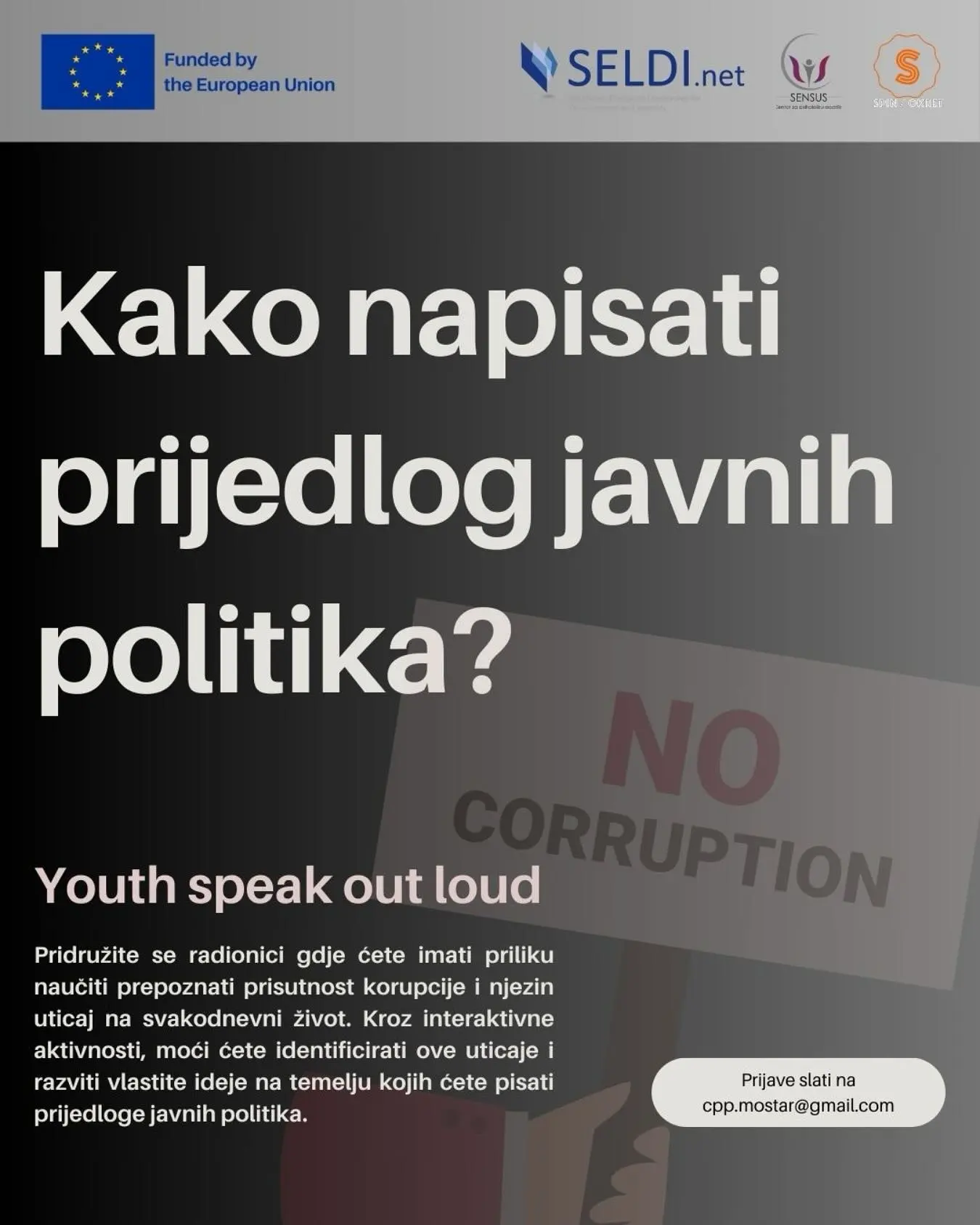
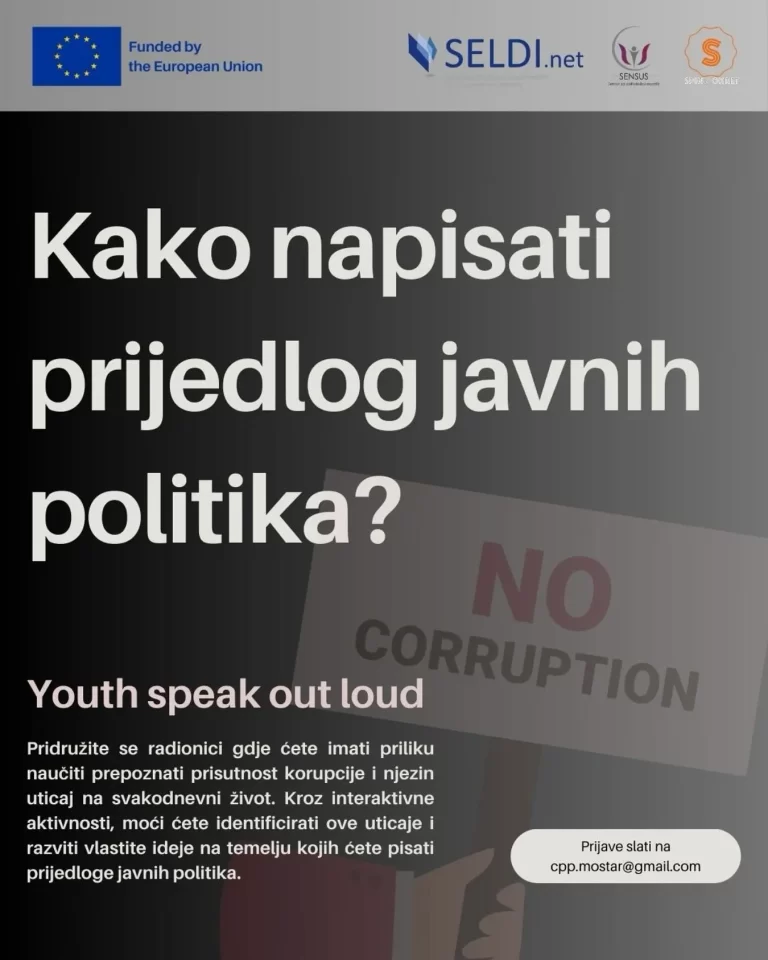
Razvijaj svoje ideje za politiku protiv korupcije

Razvijaj svoje ideje za politiku protiv korupcije!

📅 Prijave su otvorene do 28.4.2025.

Pridruži nam se na interaktivnoj radionici i stekni vrijedne vještine u pisanju prijedloga javnih politika! U sklopu ovog projekta, imat ćeš priliku naučiti o uticaju korupcije na svakodnevni život i kako razviti konkretne prijedloge za njezino suzbijanje.


Šta te očekuje?

  •  Razvijat ćeš vještine u pisanju javnih politika i učiti kako oblikovati konkretne prijedloge.
  • Učestvovat ćeš u radnoj atmosferi koja potiče kreativnost i timski duh.
  • Dobivaš mentorsku podršku koja će ti omogućiti dodatno oblikovanje tvojih ideja.

Osim toga, najbolji prijedlozi bit će nagrađeni – najaktivniji učesnici će dobiti priliku učestvovati u omladinskoj razmjeni ovog ljeta!


Prijave su otvorene do 28.4.2025.

Pošalji svoju prijavu na cpp.mostar@gmail.com, uz nekoliko rečenica o sebi i razloge zbog kojih želiš sudjelovati.


Radionica je namijenjena mladima s područja Mostara, uzrasta od 15 do 30 godina.


Ne propusti priliku – da budeš dio pozitivnih promjena! Očekujemo tvoju prijavu! 


Svi materijali i aktivnosti u okviru projekta financirani su od strane Europske unije i SELDI.net, za njegov sadržaj isključiva je odgovornost Centra za psihološku podršku Sensus i ne odražava nužno stavove Europske unije ili SELDI.net.

SPIN IN SHORT

Our goal is to contribute to the development of a society with positive values, a society that is recognising the importance of critical thinking, healthy lifestyles and providing equal opportunities for all. Spin is dedicated to creating and providing equal opportunities for all.

LET’S CREATE TOGETHER

Have an idea that you want to turn into a project, have project you need help to implement, want to develop an online course?


Contact SPIN!

© Spin 2023 | Design by AMDesign
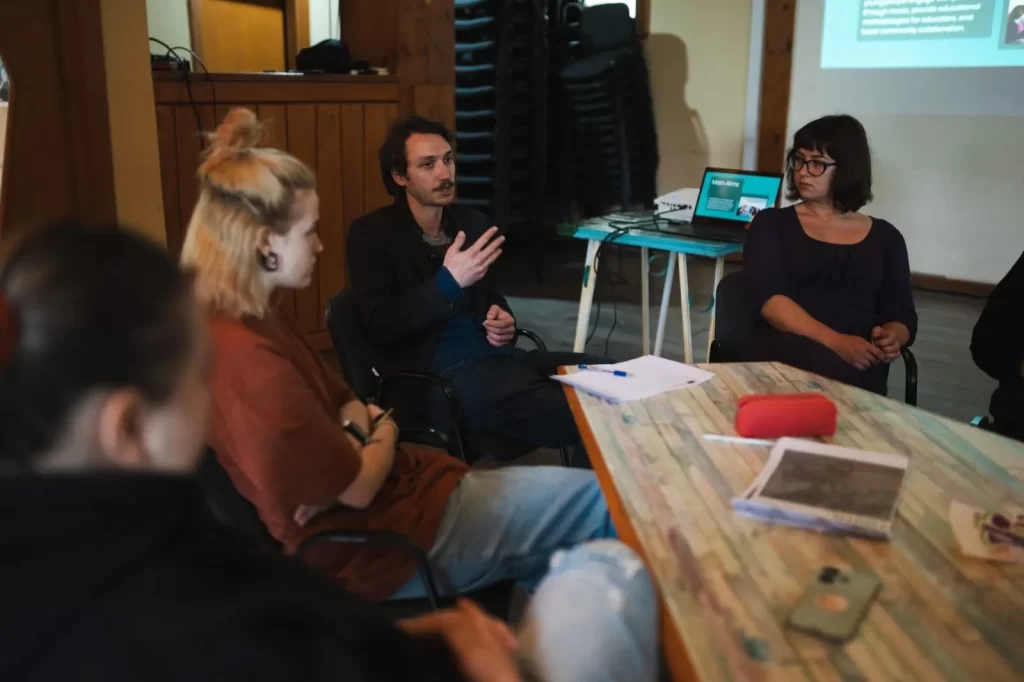
Exploring innovation in VET: Study visit in Vilnius brings together educators from across Europe

Exploring innovation in VET: Study visit in Vilnius brings together educators from across Europe

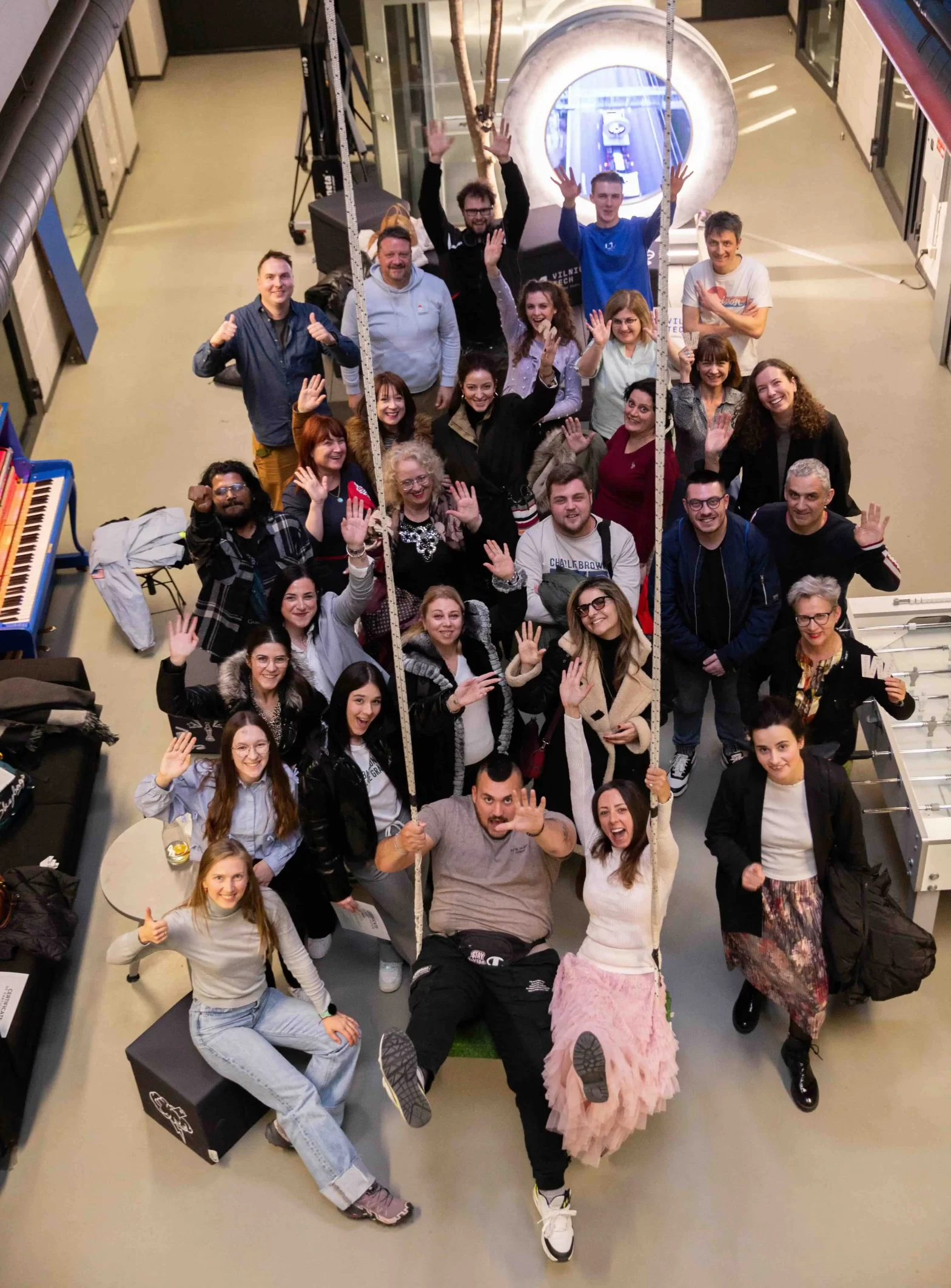
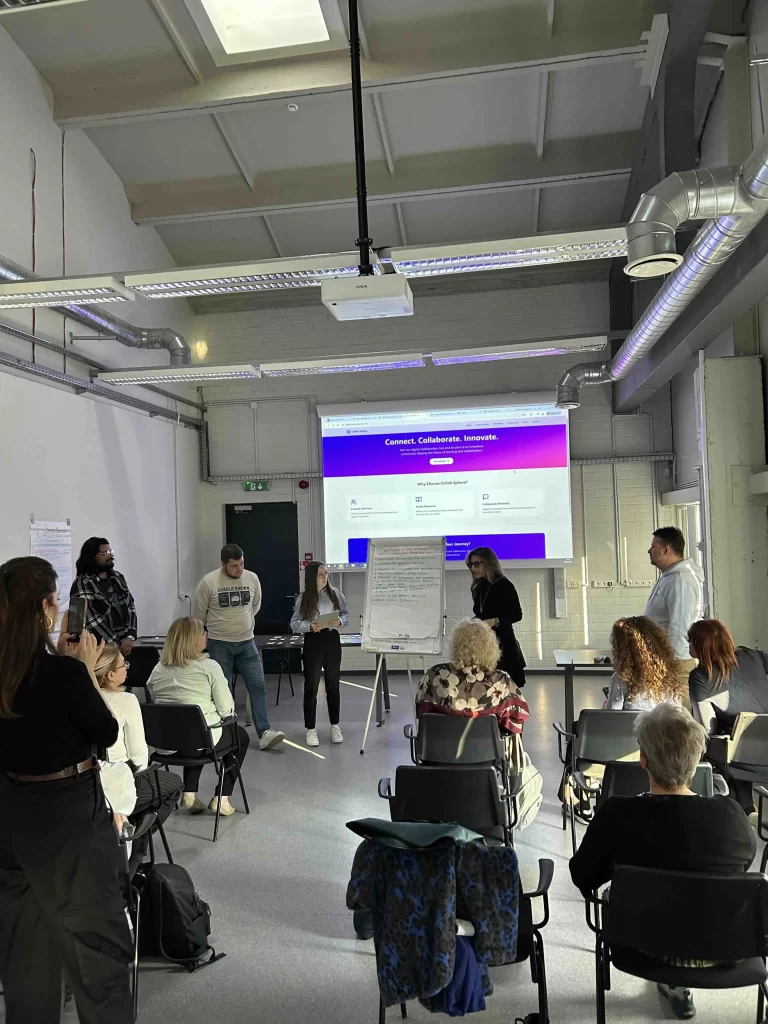
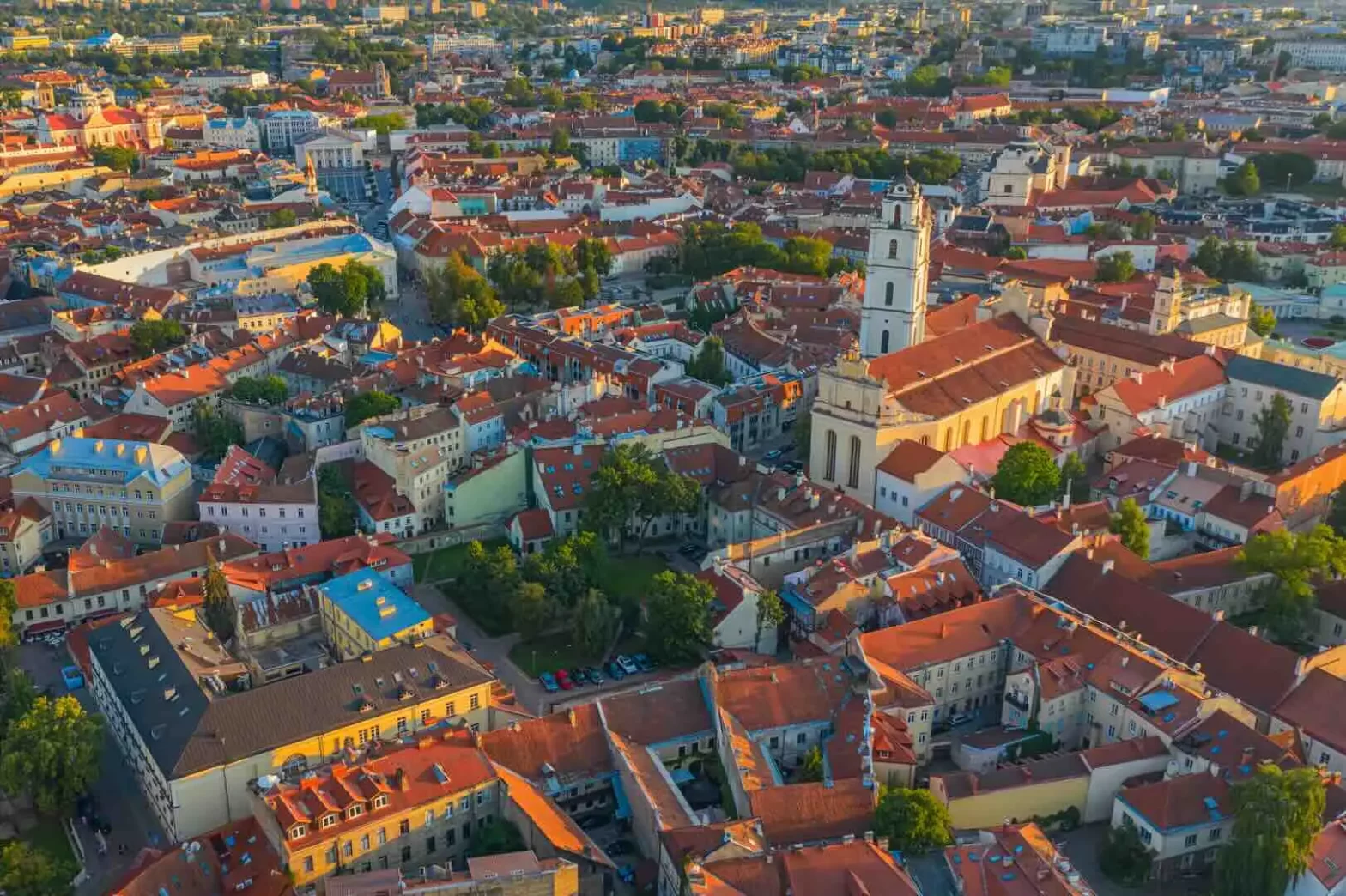
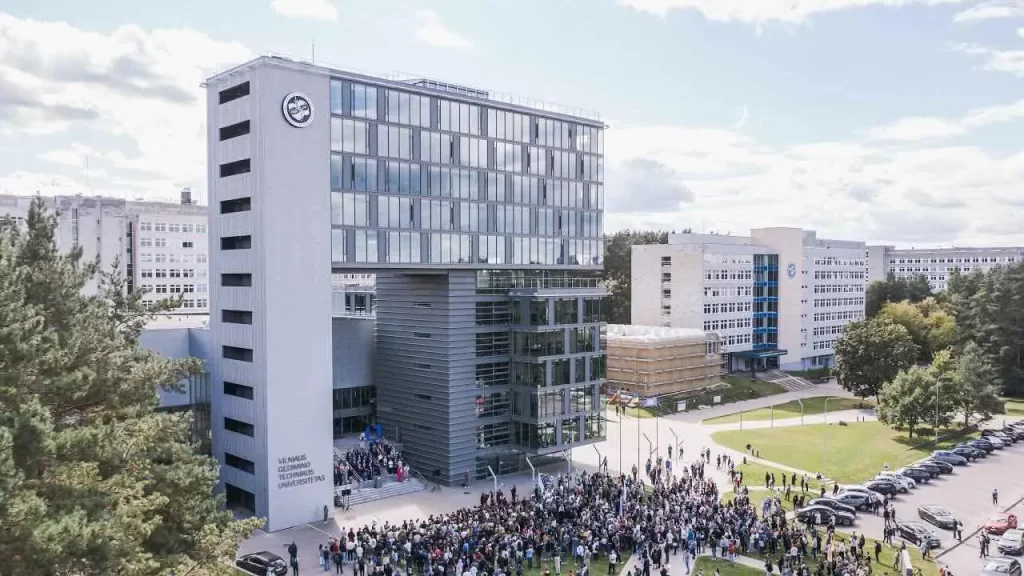
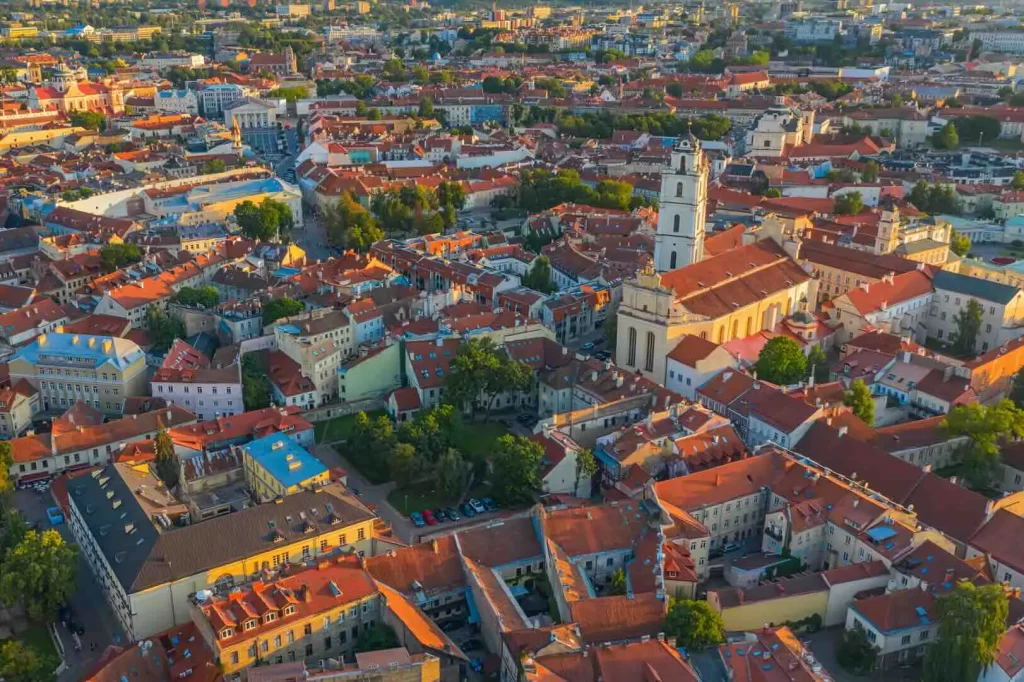
From March 16–25, 2025, thirty educators, VET professionals, and youth workers gathered in Vilnius, Lithuania for a dynamic 10-day study visit hosted by VILNIUS TECH and its Creativity and Innovation Centre “LinkMenų fabrikas.”

Organized as part of the DRUPWB project, the visit aimed to strengthen innovation, inclusion, and sustainability in vocational education and training (VET) across Europe.


The programme combined expert-led presentations, site visits to top innovation hubs like the Sunrise Valley Science & Technology Park and Manufacturing Innovation Valley, as well as interactive workshops and peer-learning sessions. Participants explored themes such as circular economy, digital transformation in VET, inclusive education, and strategies for engaging NEET youth.


Highly engaging and well-organized, the study visit received overwhelmingly positive feedback. Participants particularly valued the practical sessions, group work on future of work and self-employment, and the opportunities for networking and international cooperation. Many left inspired to implement new ideas in their own institutions and pursue further collaboration.


The visit concluded with group presentations, certificate distribution, and a guided cultural tour of Vilnius Old Town. It not only deepened participants’ professional knowledge but also sparked new partnerships and opened doors for future initiatives in digital and sustainable VET.

This is re-post of the article from the project website: https://digital-response.eu/ 

SPIN IN SHORT

Our goal is to contribute to the development of a society with positive values, a society that is recognising the importance of critical thinking, healthy lifestyles and providing equal opportunities for all. Spin is dedicated to creating and providing equal opportunities for all.

LET’S CREATE TOGETHER

Have an idea that you want to turn into a project, have project you need help to implement, want to develop an online course?


Contact SPIN!

© Spin 2023 | Design by AMDesign
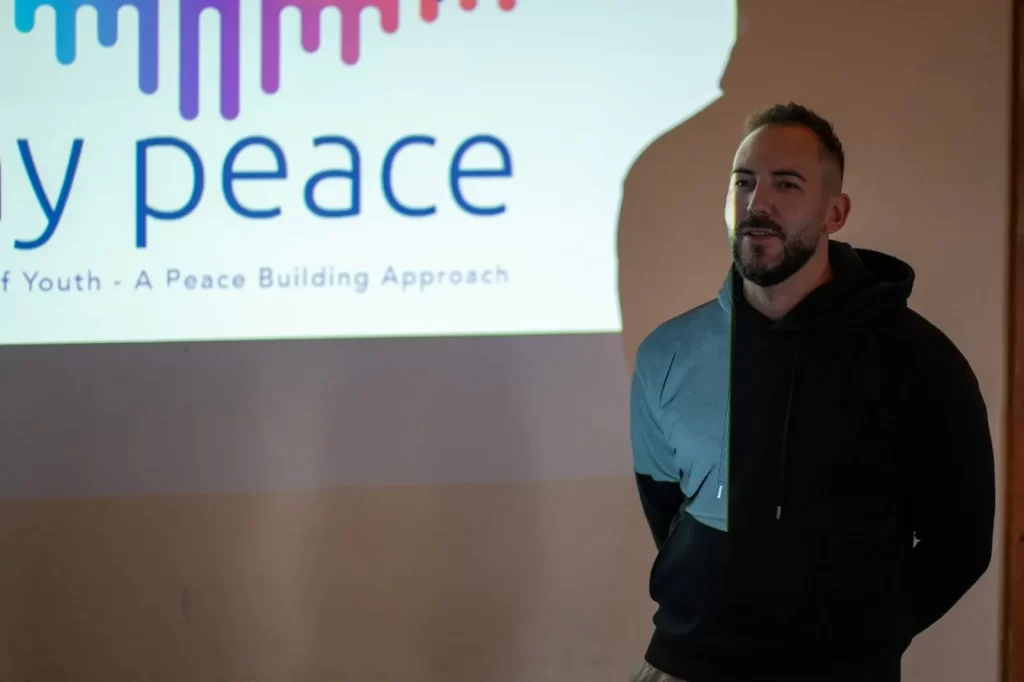
DigiCreate: Empowering young creatives through virtual exchanges

DigiCreate: Empowering young creatives through virtual exchanges

This week, we officially launched DigiCreate, an innovative Erasmus+ virtual exchange project that will connect young people from the EU and the Western Balkans over the next three years. The kick-off meeting, held online on March 14, 2025, brought together partners from Germany, Portugal, Spain, Serbia, and Montenegro, setting the stage for an exciting journey in digital creativity and intercultural collaboration.


A Vision for Digital Creativity and Inclusion

DigiCreate aims to develop digital, creative, and intercultural skills among 2,500 young creatives, fostering collaboration in the cultural and creative industries. The project will provide participants with:


– An interactive online platform & toolbox 


– A digital marketing course to boost entrepreneurial skills 


– Three virtual exchange conferences to connect and inspire creatives


Kick-Off Meeting Highlights

During the kick-off meeting, partners discussed:


– Project goals and key milestones 


– Work packages and responsibilities for each partner 


– Development of the DigiCreate Online Platform 


– Dissemination strategy to reach thousands of young participants

The Creative Hive Open Digital Toolbox, one of the project’s main outputs, will offer innovative tools and practical resources for young professionals in the creative industries.

The next steps include launching the first phase of digital tools development, preparing the online course framework, and planning the first Virtual Exchange Conference.


DigiCreate project is co-funded by the European Union. The views and opinions expressed are those of the author(s) and do not necessarily reflect those of the European Union or the European Education and Culture Executive Agency (EACEA).

SPIN IN SHORT

Our goal is to contribute to the development of a society with positive values, a society that is recognising the importance of critical thinking, healthy lifestyles and providing equal opportunities for all. Spin is dedicated to creating and providing equal opportunities for all.

LET’S CREATE TOGETHER

Have an idea that you want to turn into a project, have project you need help to implement, want to develop an online course?


Contact SPIN!

© Spin 2025 | Design by AMDesign

Women Empowered in Construction (WEC) project kicked off with online partners’ meeting

Women Empowered in Construction (WEC) project kicked off with online partners’ meeting

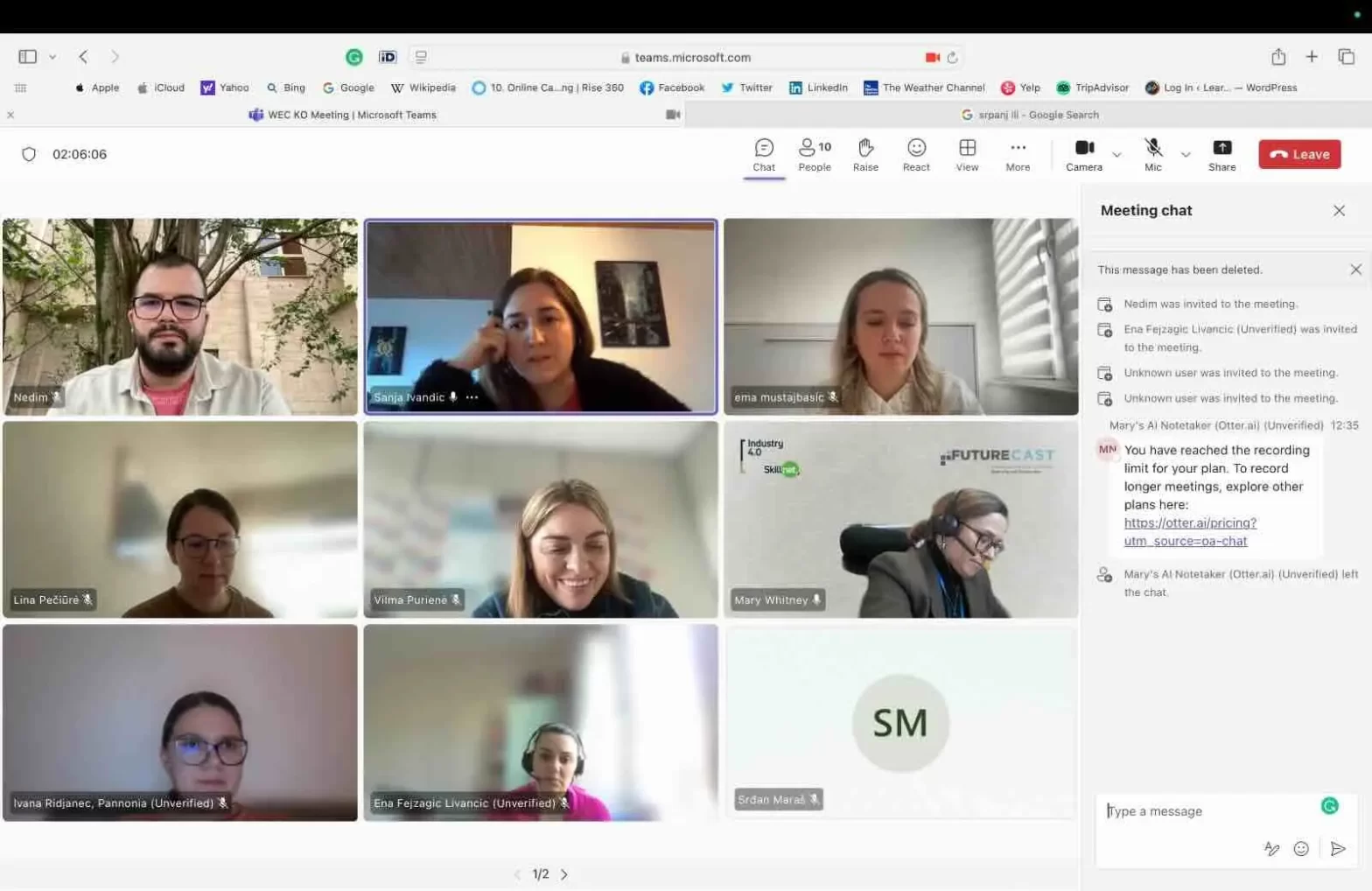
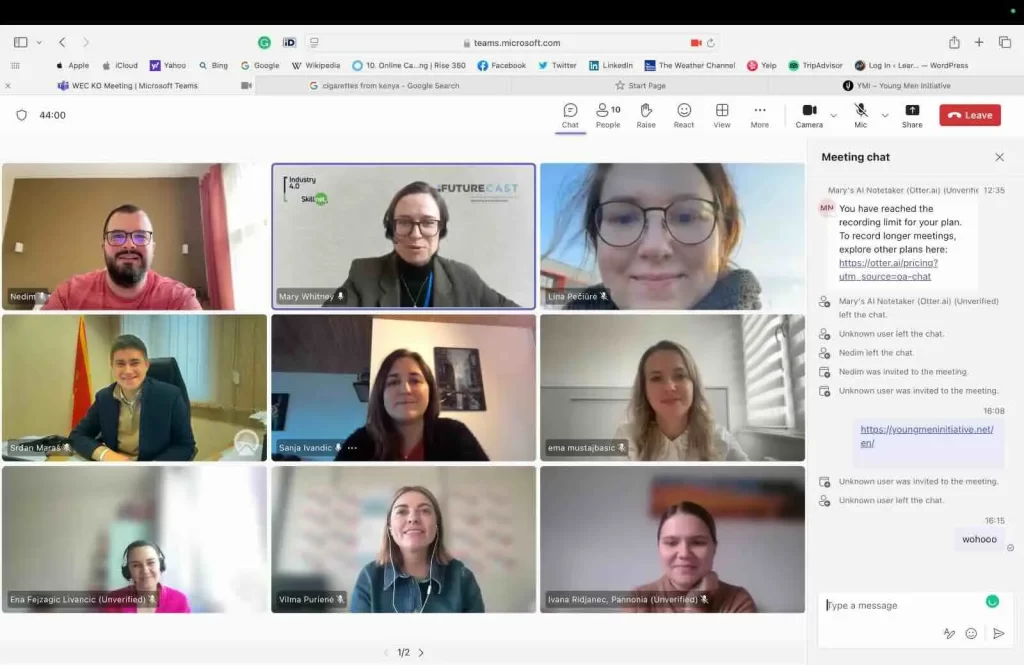
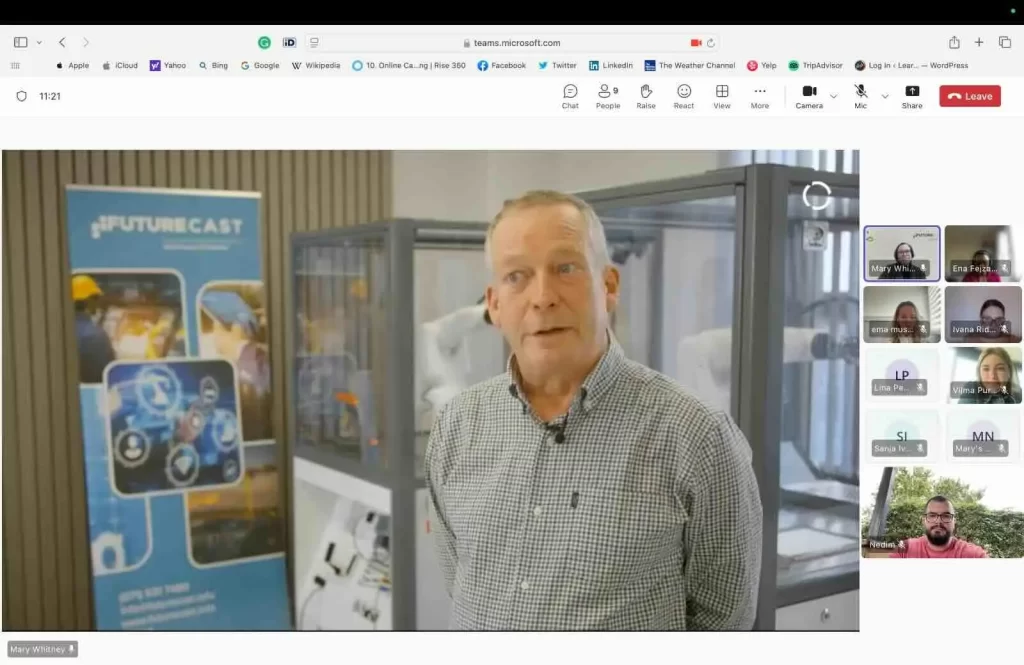
On January 27, 2025, partners from across Europe gathered online for the Women Empowered in Construction (WEC) kick-off online meeting—a landmark moment for this exciting initiative! Hosted by Future Cast (Ireland), the meeting brought together key stakeholders to set the stage for empowering women in the construction sector.


A Collaborative Vision

Project coordinator Mary Whitney opened the session with an overview of the project’s objectives, timelines, and expected impact. Partners from Bosnia and Herzegovina, Montenegro, Lithuania, Albania, Germany, and Croatia introduced their organizations, showcasing the diverse expertise behind this ambitious initiative.


Laying the Foundation for Success

The meeting featured detailed Work Package (WP) presentations, highlighting key areas of focus:

  • Project Management – Ensuring smooth coordination and reporting.
  • Research & Mapping – Gathering data to understand challenges and opportunities.
  • Curriculum Development – Crafting impactful training materials for future professionals.
  • Training Toolkit – Designing practical resources and explainer videos.
  • Dissemination & Sustainability – Spreading awareness and ensuring long-term impact.


Next Steps & Action Plan

A roadmap for the next steps was outlined, with partners committing to specific tasks, from finalizing research methodologies to developing online learning tools. The team also reviewed project branding, with a fresh logo design in the works.

This meeting marked an inspiring and productive start for WEC. With collaboration, innovation, and commitment, we are ready to break barriers and build opportunities for women in construction!

Stay tuned for updates as we shape the future together!

SPIN IN SHORT

Our goal is to contribute to the development of a society with positive values, a society that is recognising the importance of critical thinking, healthy lifestyles and providing equal opportunities for all. Spin is dedicated to creating and providing equal opportunities for all.

LET’S CREATE TOGETHER

Have an idea that you want to turn into a project, have project you need help to implement, want to develop an online course?


Contact SPIN!

© Spin 2024 | Design by AMDesign

Call for participants: Study Visit “Digital Response to Unemployment Problems in Western Balkan”

Call for participants: Study Visit "Digital Response to Unemployment Problems in Western Balkan"

16-25 March 2025 | Vilnius, Lithuania

Spin is looking for 5 participants from Bosnia and Herzegovina to join the study visit “Digital Response to Unemployment Problems in Western Balkan” in Vilnius, Lithuania from 16th to 25th of March 2025.


The deadline for the applications is: 09.02.2025.

*Part of the applicants can expect to be contacted even before the deadline.


_____________


DATES: 16 – 25 March 2025

LOCATION: Vilnius, Lithuania

PARTICIPANTS: 5 per country (30 in total)

COUNTRIES: Bosnia and Herzegovina – Lithuania – Germany – Croatia – Montenegro – Albania

The official language of the project:

The working language of the study visit will be English.


Project description:


In modern economies, continuous economic restructuring, innovation and globalization have led to major transformations in labor markets, giving rise to pervasive skill gaps and skill mismatches. Also, skills mismatch appears to be a more permanent problem in the Western Balkan countries than in developed EU countries.


Firstly, it is caused by the phenomena that old/traditional skills quickly become redundant when new digital technologies are introduced.

Secondly, employers do relatively little in on-the-job training due to uncertainty induced by the poor investment climate.

Thirdly, old/traditional skills have gradually become obsolete due to persistence of long-term unemployment.

Finally, re-skilling has been inhibited by the low provision of adult and life-long learning education and learning opportunities. The current situation in terms of training and employment continues with a number of practical problems such as the sufficiency of acquired titles (titles that are less and less sought after on the labor market or not at all), an insufficient number of professional VET providers, and a lack of quality training programs for the needs of the market, all of which causes high unemployment and the impossibility of employment in well-paid jobs.


Through implementation of DRUPWB project, we are aiming to: explore existing and develop 4-modular non-formal educational curriculum of vocational education in the field of employment based on intellectual services including STEM, soft skills, and diverse teleworking job market skills; to develop an innovative digital hub platform to be used by unemployed and NEET young and adult VET users; to improve knowledge, skills and attitudes of at least 540 unemployed and NEET young and adult people from involved partner countries in the fields of entrepreneurship, self-employment, programming and virtual assistant work; and to additionally strengthen and improve the capacities of VET providers in WB countries.


Profile of participants:

  • At least 18 years old
  • Residents in Bosnia and Herzegovina
  • Work as formal or non-formal youth educators, trainers, or youth workers, training young people in entrepreneurship, or digital skills, preparing them for the future.
  • Have a strong motivation to lead education efforts in their communities
  • Want to enhance their expertise in digital transformation


Travel and accommodation:

Travel costs in the maximum amount of 220 EUR will be covered by SPIN. Accommodation is covered by organisers, including full board with 3 meals per day and coffee breaks.


More info about the project

More information about project are available here: https://digital-response.eu

FOR MORE INFORMATION ON THE AGENDA OF THE EVENT, INFOPACK OF THE EVENT, AND TO APPLY CHECK THE LINKS BELOW.

SPIN IN SHORT

Our goal is to contribute to the development of a society with positive values, a society that is recognising the importance of critical thinking, healthy lifestyles and providing equal opportunities for all. Spin is dedicated to creating and providing equal opportunities for all.

LET’S CREATE TOGETHER

Have an idea that you want to turn into a project, have project you need help to implement, want to develop an online course?


Contact SPIN!

© Spin 2023 | Design by AMDesign
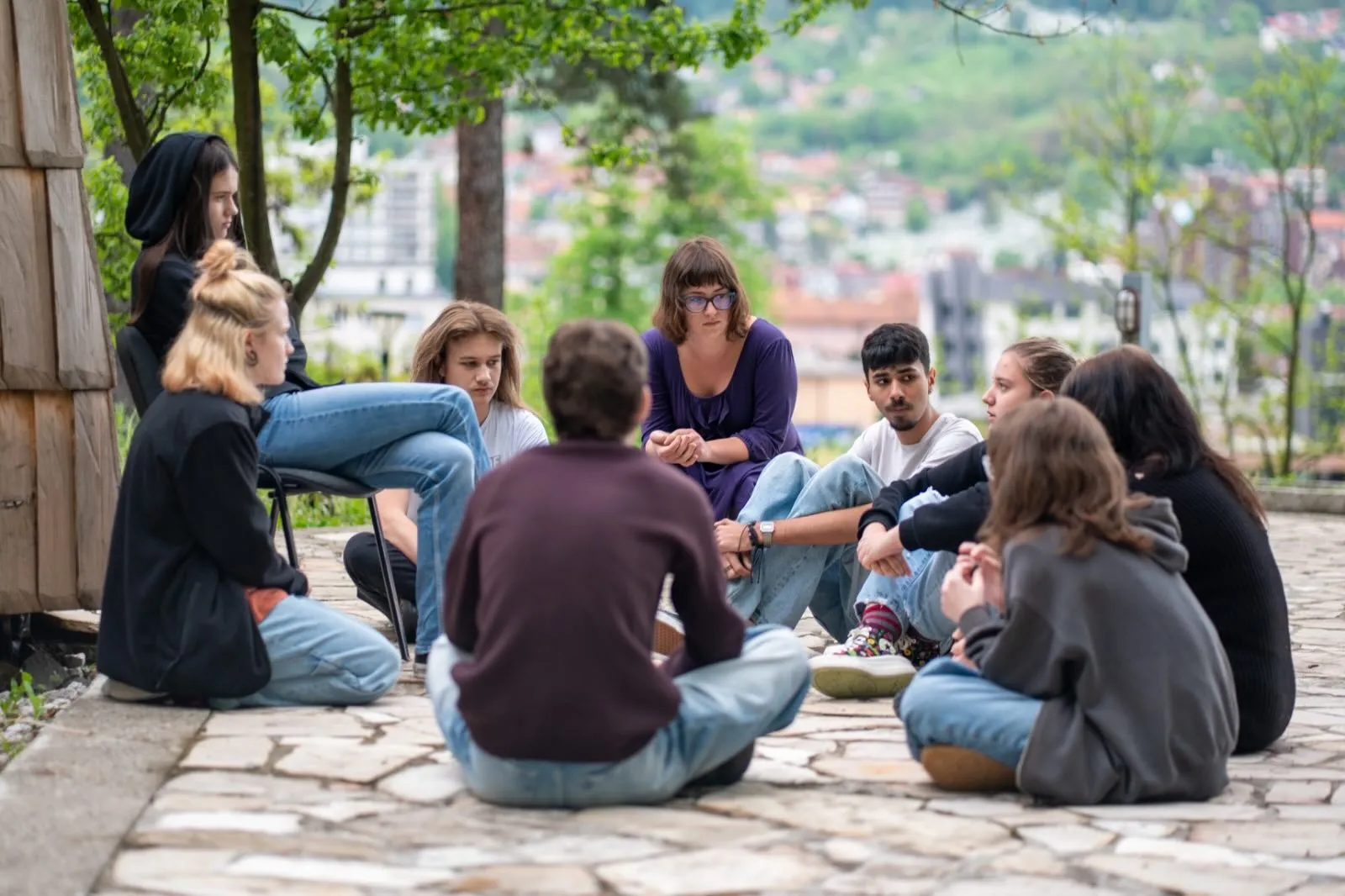
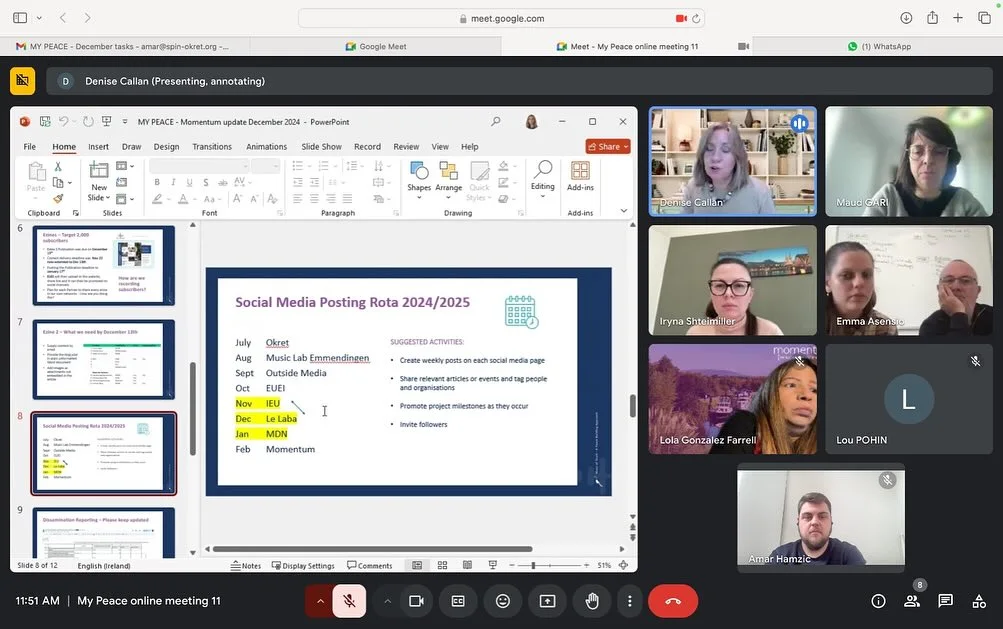
Partners’ meeting on MyPeace project

Partners’ meeting on MyPeace project

Exciting updates from the MY PEACE project!


In today’s meeting, we discussed regular activities on creation methodology for youth workers and educators to promote peacebuilding through music. 🌍✨ Plus, we’re gearing up for inspiring music sessions with young people in our local communities!
Stay tuned for more updates, resources, and creative vibes!

This meeting was part of the “MUSIC OF YOUTH – A PEACE Building Approach” project, a 2.5-year initiative aimed at empowering youth to engage in the peacebuilding process through music, making it both attractive and accessible to young people.


To learn more about the project and stay up to date with news, check the project website here.

SPIN IN SHORT

Our goal is to contribute to the development of a society with positive values, a society that is recognising the importance of critical thinking, healthy lifestyles and providing equal opportunities for all. Spin is dedicated to creating and providing equal opportunities for all.

LET’S CREATE TOGETHER

Have an idea that you want to turn into a project, have project you need help to implement, want to develop an online course?


Contact SPIN!

© Spin 2024 | Design by AMDesign
Adult Education and Non-formal Education in Bosnia and Herzegovina

Adult Education and Non-formal Education in Bosnia and Herzegovina

As part of DRUPWB project, we bring you articles presenting the current educational realities in the Bosnia and Herzegovina.


In Bosnia and Herzegovina, there is a general problem in the education system manifested by a lack of adaptation to the needs of the labor market. This problem is further exacerbated by the marginalization of adult non-formal education. Lifelong learning, especially adult training and education, represents the most prevalent activities in this context. These activities are carried out in regular vocational schools using curricula and programs adopted from formal education, applying the same methodology as regular schooling in vocational schools.

Adult education in Bosnia and Herzegovina


According to the Framework Law on Primary and Secondary Education in Bosnia and Herzegovina, adult education is organized for professional and personal development. Adult education includes vocational training, retraining, upgrading, and other activities that enable lifelong learning. Details related to adult education are regulated by laws of entities, cantons, and the Brčko District of Bosnia and Herzegovina in accordance with the principles and standards defined by the Framework Law. According to the Framework Law on Vocational Education and Training in Bosnia and Herzegovina, schools can organize adult training within their registered activities with the consent of competent educational authorities. The competent minister adopts the curriculum for adult education and training. Additionally, the same law stipulates that adult training participants are charged a fee for training, the amount of which is determined and adopted by the school board with the consent of the competent ministry of education.


When it comes to adult education, it is important to emphasize that there are only three centers in Bosnia and Herzegovina dealing with retraining and upgrading, located in Bihać, Sarajevo, and Široki Brijeg. This is insufficient to meet the population’s needs for this type of improvement.

Non-formal education in Bosnia and Herzegovina


The most common types of non-formal education in Bosnia and Herzegovina are courses offered by private training centers or companies primarily engaged in providing training, courses, and workshops. However, various forms of non-formal education offered by companies or experts in their fields, who primarily do not deal with non-formal education but engage in completely different activities, are gaining increasing popularity. The most sought-after courses for young people in Bosnia and Herzegovina are in the field of IT technical skills, but there is also a growing demand for other types of courses such as project management, digital marketing, graphic design, 3D modeling, financial controlling, risk management, budgeting, and similar areas.


Some analyses and research point out problems in the field of non-formal education in Bosnia and Herzegovina:

  • A small percentage of diplomas and certificates issued by non-formal education organizations to their successful participants are recognized.
  • Additionally, non-formal education is underdeveloped to meet the modern demands of the labor market.
  • There is also a significant lack of strategic planning in non-formal education, resulting in undefined and unplanned functioning.

This article was developed based on the project’s research document “Analysis and map of existing non-formal educational curriculums of VET programs in participating countries”.

If you want to learn more about the research, and read the full document, click here.


DRUPWB project is funded by the European Union. Views and opinions expressed are however those of the author(s) only and do not necessarily reflect those of the European Union or the European Education and Culture Executive Agency (EACEA). Neither the European Union nor EACEA can be held responsible for them.


*This article was originally posted on the project website. Click here for link to the original article. 

SPIN IN SHORT

Our goal is to contribute to the development of a society with positive values, a society that is recognising the importance of critical thinking, healthy lifestyles and providing equal opportunities for all. Spin is dedicated to creating and providing equal opportunities for all.

LET’S CREATE TOGETHER

Have an idea that you want to turn into a project, have project you need help to implement, want to develop an online course?


Contact SPIN!

© Spin 2024 | Design by AMDesign
Formal education in Bosnia and Herzegovina

Formal education in Bosnia and Herzegovina

As part of DRUPWB project, we bring you articles presenting the current educational realities in the Bosnia and Herzegovina.


The Education Sector of the Ministry of Civil Affairs of B&H is responsible for formal education at the state level. The functions and capacities of this ministry are limited and mainly involve coordinating lower administrative bodies on education matters and overseeing the implementation of adopted education laws at all levels.


The Republika Srpska entity, the 10 cantons in the Federation of Bosnia and Herzegovina, and the Brčko District have primary responsibilities for education in Bosnia and Herzegovina. The Federation of Bosnia and Herzegovina has limited responsibilities, mostly related to coordination among cantons.

At the entity level in Bosnia and Herzegovina, there are two ministries responsible for formal education.


In the Federation of Bosnia and Herzegovina, it is the Ministry of Education and Science, while in Republika Srpska, it is the Ministry of Education and Culture.


In the Brčko District, the responsibility for education is delegated to the Education Sector of the District Government.


Each of the ten cantons in the Federation of Bosnia and Herzegovina has their own Ministry of Education and regulations on education. Cantons independently finance education according to their constitutional powers, and cantonal ministries of education are also responsible for science, culture, and sports. Budgets, capacities, and sizes of these ministries vary from canton to canton.

Financing of formal education in Bosnia and Herzegovina


Formal education in Bosnia and Herzegovina is mostly financed from public funds of the entity budget, cantonal budget, Brčko District budget, and municipal budget, depending on the jurisdiction. This practically means that there are thirteen separate budgets for education in Bosnia and Herzegovina, including two entity budgets, one in the Brčko District, and ten cantonal budgets.


Republika Srpska allocates about 4% of its GDP for education, the Federation of Bosnia and Herzegovina allocates about 6% of GDP, while the Brčko District allocates 11.2% of the total District budget for education.


The fragmentation of the education system is reflected in this segment, as there are significant differences in average spending per student, as well as differences in salary levels and allowances for employees in the education sector across the country.

Levels of formal education


Education in Bosnia and Herzegovina is organized into four basic levels: preschool education and upbringing, primary, secondary, and higher education.


According to the latest available statistical data from the 2022/2023 academic year, Bosnia and Herzegovina has 1,738 primary schools, around 312 secondary schools, and 38 licensed higher education institutions, both private and public.


Secondary education

Secondary education offers various opportunities, including general education (gymnasiums), vocational education, artistic, and religious education. General secondary education lasts for four years, while vocational secondary education, provided through technical and vocational schools, lasts for three or four years.


A secondary vocational qualification is obtained upon successful completion of secondary education lasting three or four years in a secondary school, which can be an independent institution or part of a school or secondary school center. This qualification can be obtained in different types of institutions, such as gymnasiums, vocational schools for education and training (art schools, technical schools, vocational schools), artistic and religious schools, as well as schools for students with developmental difficulties.


In the 2022/2023 school year, a total of 107,936 students enrolled in 312 secondary schools in Bosnia and Herzegovina.


Higher education

Higher education in Bosnia and Herzegovina is organized into three cycles:

  • The first cycle leads to the academic title of a completed graduate study, which is obtained after a minimum of three and a maximum of four years of regular study and is valued at a minimum of 180 or 240 ECTS credits. An exception is made for studies in the field of medical sciences, which are valued at 360 ECTS credits.
  • The second cycle leads to the academic title of master or equivalent, obtained after completing a graduate study, lasts one or two years, and is valued at 60 or 120 ECTS credits.
  • The third cycle leads to the academic title of doctor or equivalent, lasts three years, and is valued at 180 ECTS credits.


Higher education institutions must be accredited to operate and provide diplomas and certificates to their participants.


In the 2022/2023 academic year, during the winter semester, 73,250 students were enrolled in the first cycle of higher education studies, including short cycles and integrated studies. Out of this number, 64,064 students were enrolled in all years of study, while 9,186 students were graduates.


Higher education institutions are funded in accordance with laws and regulations by the authorities of Republika Srpska or the Federation of Bosnia and Herzegovina. Higher education activities are governed by the laws of Republika Srpska or the Federation of Bosnia and Herzegovina at the entity level, while the Ministry of Civil Affairs at the state level coordinates higher education activities between the two entities.

This article was developed based on the project’s research document “Analysis and map of existing non-formal educational curriculums of VET programs in participating countries”.

If you want to learn more about the research, and read the full document, click here.


DRUPWB project is funded by the European Union. Views and opinions expressed are however those of the author(s) only and do not necessarily reflect those of the European Union or the European Education and Culture Executive Agency (EACEA). Neither the European Union nor EACEA can be held responsible for them.


*This article was originally posted on the project website. Click here for link to the original article. 

SPIN IN SHORT

Our goal is to contribute to the development of a society with positive values, a society that is recognising the importance of critical thinking, healthy lifestyles and providing equal opportunities for all. Spin is dedicated to creating and providing equal opportunities for all.

LET’S CREATE TOGETHER

Have an idea that you want to turn into a project, have project you need help to implement, want to develop an online course?


Contact SPIN!

© Spin 2024 | Design by AMDesign