Call for participants: Study Visit “Digital Response to Unemployment Problems in Western Balkan”

Call for participants: Study Visit "Digital Response to Unemployment Problems in Western Balkan"

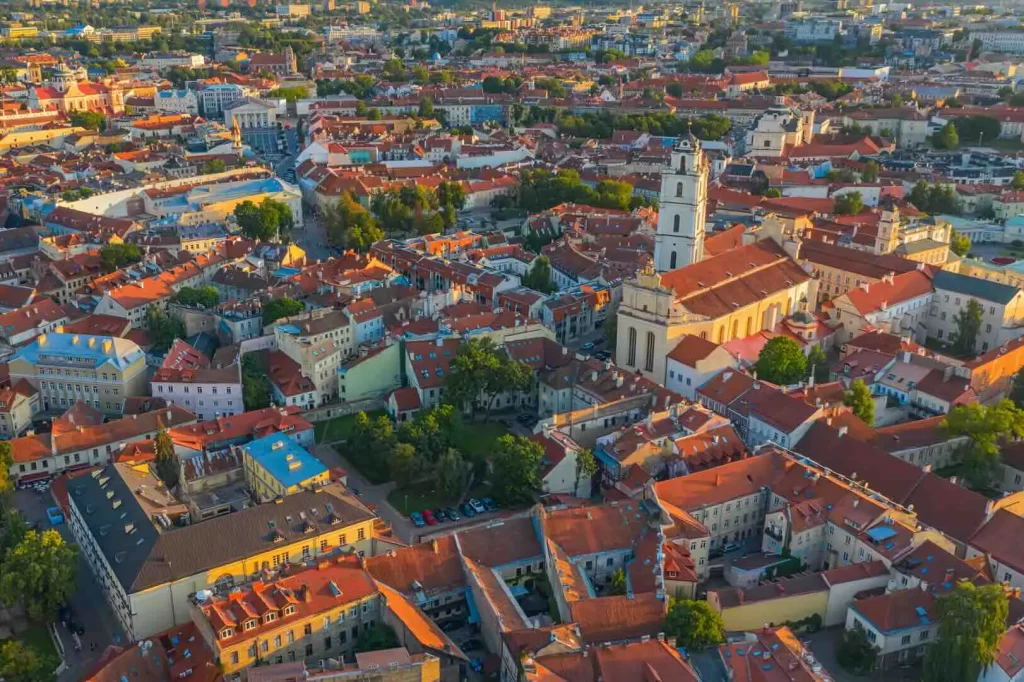
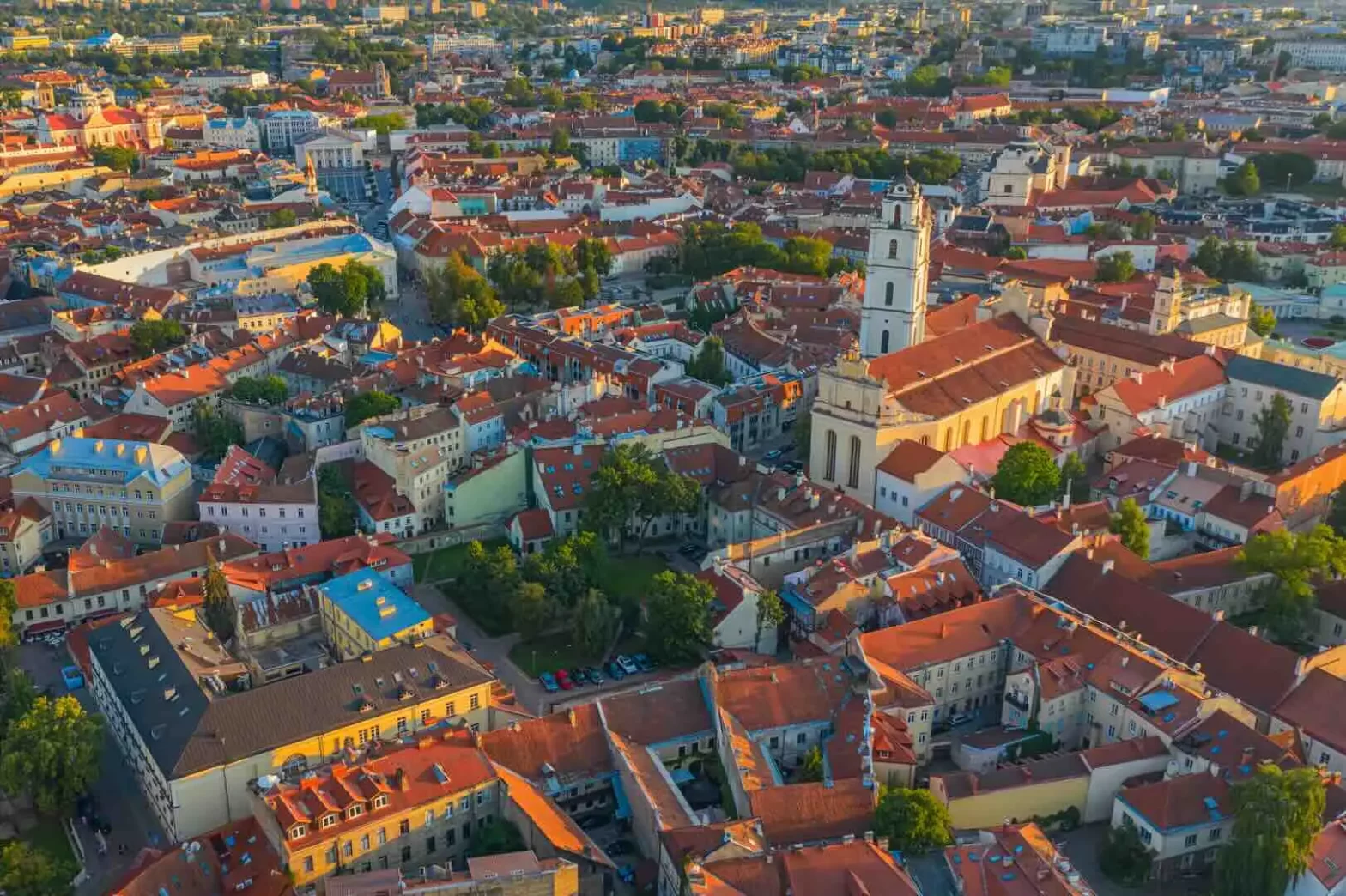
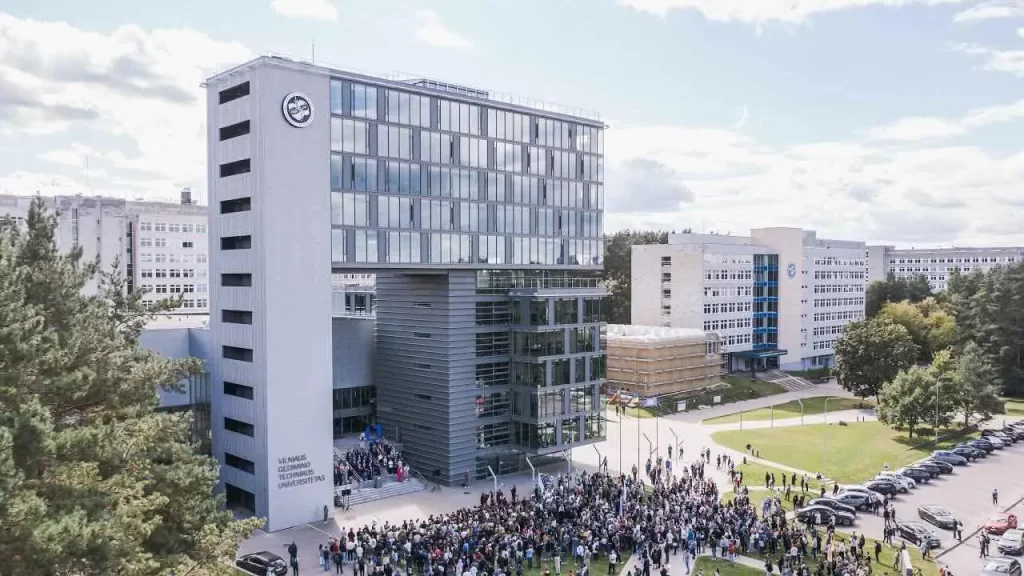
16-25 March 2025 | Vilnius, Lithuania

Spin is looking for 5 participants from Bosnia and Herzegovina to join the study visit “Digital Response to Unemployment Problems in Western Balkan” in Vilnius, Lithuania from 16th to 25th of March 2025.


The deadline for the applications is: 09.02.2025.

*Part of the applicants can expect to be contacted even before the deadline.


_____________


DATES: 16 – 25 March 2025

LOCATION: Vilnius, Lithuania

PARTICIPANTS: 5 per country (30 in total)

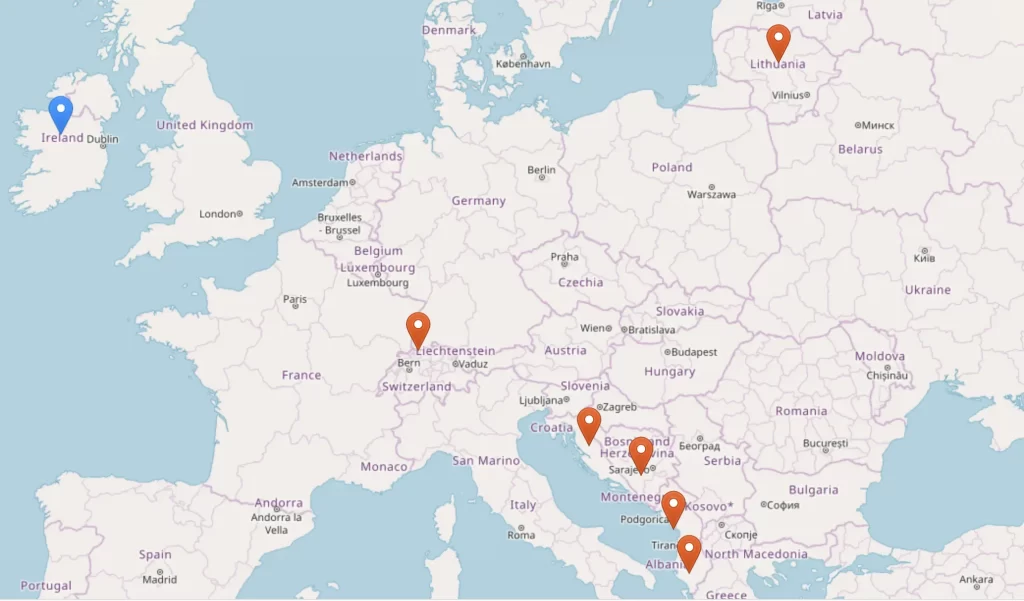
COUNTRIES: Bosnia and Herzegovina – Lithuania – Germany – Croatia – Montenegro – Albania

The official language of the project:

The working language of the study visit will be English.


Project description:


In modern economies, continuous economic restructuring, innovation and globalization have led to major transformations in labor markets, giving rise to pervasive skill gaps and skill mismatches. Also, skills mismatch appears to be a more permanent problem in the Western Balkan countries than in developed EU countries.


Firstly, it is caused by the phenomena that old/traditional skills quickly become redundant when new digital technologies are introduced.

Secondly, employers do relatively little in on-the-job training due to uncertainty induced by the poor investment climate.

Thirdly, old/traditional skills have gradually become obsolete due to persistence of long-term unemployment.

Finally, re-skilling has been inhibited by the low provision of adult and life-long learning education and learning opportunities. The current situation in terms of training and employment continues with a number of practical problems such as the sufficiency of acquired titles (titles that are less and less sought after on the labor market or not at all), an insufficient number of professional VET providers, and a lack of quality training programs for the needs of the market, all of which causes high unemployment and the impossibility of employment in well-paid jobs.


Through implementation of DRUPWB project, we are aiming to: explore existing and develop 4-modular non-formal educational curriculum of vocational education in the field of employment based on intellectual services including STEM, soft skills, and diverse teleworking job market skills; to develop an innovative digital hub platform to be used by unemployed and NEET young and adult VET users; to improve knowledge, skills and attitudes of at least 540 unemployed and NEET young and adult people from involved partner countries in the fields of entrepreneurship, self-employment, programming and virtual assistant work; and to additionally strengthen and improve the capacities of VET providers in WB countries.


Profile of participants:

  • At least 18 years old
  • Residents in Bosnia and Herzegovina
  • Work as formal or non-formal youth educators, trainers, or youth workers, training young people in entrepreneurship, or digital skills, preparing them for the future.
  • Have a strong motivation to lead education efforts in their communities
  • Want to enhance their expertise in digital transformation


Travel and accommodation:

Travel costs in the maximum amount of 220 EUR will be covered by SPIN. Accommodation is covered by organisers, including full board with 3 meals per day and coffee breaks.


More info about the project

More information about project are available here: https://digital-response.eu
FOR MORE INFORMATION ON THE AGENDA OF THE EVENT, INFOPACK OF THE EVENT, AND TO APPLY CHECK THE LINKS BELOW.

SPIN IN SHORT

Our goal is to contribute to the development of a society with positive values, a society that is recognising the importance of critical thinking, healthy lifestyles and providing equal opportunities for all. Spin is dedicated to creating and providing equal opportunities for all.

LET’S CREATE TOGETHER

Have an idea that you want to turn into a project, have project you need help to implement, want to develop an online course?


Contact SPIN!

© Spin 2023 | Design by AMDesign
Women Empowered in Construction

Women Empowered in Construction

Start date: 01.01.2025. -- End date: 31.12.2026.

Project reference: 101183416

EU Grant: 345.693 EUR

Program: Capacity Building in the field of VET

Key Action: Partnerships for Cooperation and Exchange of Practices

Partner countries: Bosnia and Herzegovina, Ireland, Lithuania, Croatia, Germany, Montenegro, Albania


Spin is official project partner.

The construction industry is increasingly reporting labor shortages in most of the EU Member States. This trend was confirmed after the COVID-19 pandemic, which increased the tightness on the labor market and led to a high demand for workers. According to the Employment and Social Developments in Europe Report, in 2023, labor shortages in construction are now nearly three times the level observed 10 years ago.


The Women Empowered in Construction (WEC) project aims to empower women in the construction industry across the Western Balkans and the European Union through innovative vocational education and training (VET) programs. By addressing gender disparities and aligning with the priorities of the Torino Process—adapting VET to labor market needs and increasing flexibility in vocational education—WEC seeks to enhance women’s participation in construction, promote gender equality, and contribute to the sustainable development of the industry in the region. A more diverse workforce and an inclusive organizational culture provide access to different perspectives on improving processes and driving business growth.


Through the implementation of the WEC project, we aim to:

  • Conduct research on labor shortages and gender imbalance in the construction industry by analyzing data from participating countries and assessing existing policies and realities at the EU and Western Balkans levels.
  • Develop an online educational WEC platform to support learning and resource-sharing.
  • Design 4 VET curriculum models tailored to the needs of women in the construction industry.
  • Create 4 online courses to enhance skills and knowledge in the sector.
  • Organize an international training activity for representatives and staff members of partner organizations.
  • Develop a toolkit with practical workshops for VET educators.
  • Produce animated video guides for educators to facilitate inclusive learning.
  • Host awareness-raising events in all local communities, involving VET providers and construction companies.
  • Disseminate project results to a wider audience through a final online project conference.


This structured approach ensures a comprehensive and impactful implementation of the WEC project, fostering gender equality and professional opportunities for women in construction.

Project objectives:

  • To conduct comprehensive research to understand workforce challenges and gender disparities in the construction industry, and map existing VET programs, identifying gaps in gender equality and inclusion; covering 7 research reports – 1 per each involved country, mapping of at least 21 existing VET programs and resources, and needs assessment report based on the collected data.

  • Explore current VET curriculums for construction industry in participating countries, develop
    at least 4 innovative VET curriculum modules that are tailored to the needs of women in the construction industry, and educate 24 VET educators from participating countries for application of the VET curriculum modules.

Project map

  • To create educational platform for presenting project activities and results incorporating interactive learning materials (in format of 40 educational articles on the relevant topics, and 4 online learning modules based on the VET curriculum topics), and best practices to promote gender equality and inclusion (presenting 16 stories of best practices from participating countries).
  • To develop a comprehensive toolkit with interactive digital training materials, followed by 8 local workshops and webinars engaging 160 VET institutions and construction companies representatives to raise awareness, build capacity, and promote the inclusion of women in the industry.
  • To widely disseminate the project outcomes to VET institutions, construction companies, and policy stakeholders, through comprehensive dissemination strategy and online presence, by organising 8 local events for sharing resources, and establishing 24 partnerships to ensure the project’s impact and sustainability beyond its duration.

SPIN IN SHORT

Our goal is to contribute to the development of a society with positive values, a society that is recognising the importance of critical thinking, healthy lifestyles and providing equal opportunities for all. Spin is dedicated to creating and providing equal opportunities for all.

LET’S CREATE TOGETHER

Have an idea that you want to turn into a project, have project you need help to implement, want to develop an online course?


Contact SPIN!

© Spin 2023 | Design by AMDesign
EcoInnovate Youth Work – content report from evaluation meeting

EcoInnovate Youth Work – content report from evaluation meeting

The resources document activities conducted under the “EcoInnovate Youth Work” project, emphasizing ecological innovation in youth entrepreneurship through circular economy principles. Youth workers from Austria, Germany, and Bosnia and Herzegovina participated in training and evaluation meetings in Berlin, designed to foster their competencies in sustainability, green entrepreneurship, and circular economy practices within youth work.


Main Objectives:

  • Build youth workers’ skills in sustainability and circular economy.
  • Implement youth-driven green initiatives.
  • Strengthen local and international partnerships.
  • Promote continuous, practical engagement and mentoring for youth entrepreneurship.


Who Can Benefit From These Resources?

  • Youth Workers & Educators: Gain practical methodologies and strategies to incorporate sustainability, circular economy, and entrepreneurship into their youth programs.
  • Project Coordinators & NGOs: Access comprehensive insights into project design, management, and evaluation techniques for similar initiatives.
  • Policy Makers & Stakeholders: Understand effective practices, challenges, and recommendations to shape supportive local policies and funding strategies.
  • Young Entrepreneurs & Community Leaders: Learn about sustainable business models, ecological innovation, and the potential for youth-led entrepreneurial projects.

Content Highlights:


2. Evaluation Meeting (A2)

  • Reflection and evaluation of local follow-up activities implemented post-training.
  • Identification of challenges faced during implementation and collaborative solutions.
  • Generation of practical recommendations for future projects, emphasizing real-world applicability and continuity.
  • Planning of new community-level projects fostering sustainable entrepreneurship and youth empowerment.

Check it out on the link below


This material has been published as part of the project EcoInnovate Youth WorkDigital Response to Unemployment Problems in Western Balkans.

SPIN IN SHORT

Our goal is to contribute to the development of a society with positive values, a society that is recognising the importance of critical thinking, healthy lifestyles and providing equal opportunities for all. Spin is dedicated to creating and providing equal opportunities for all.

LET’S CREATE TOGETHER

Have an idea that you want to turn into a project, have project you need help to implement, want to develop an online course?


Contact SPIN!

© Spin 2024 | Design by AMDesign
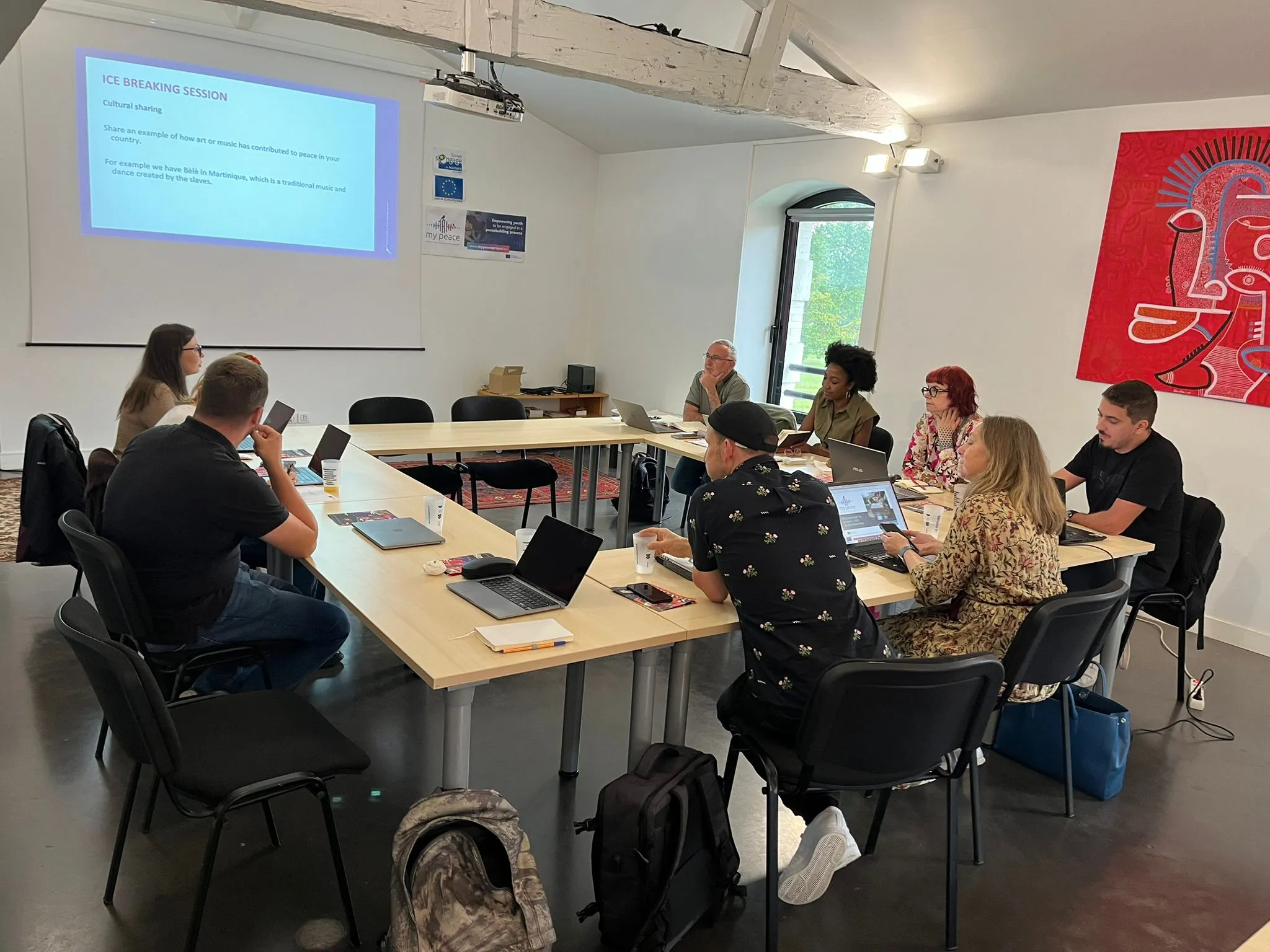
Partners’ meeting on MyPeace project

Partners’ meeting on MyPeace project

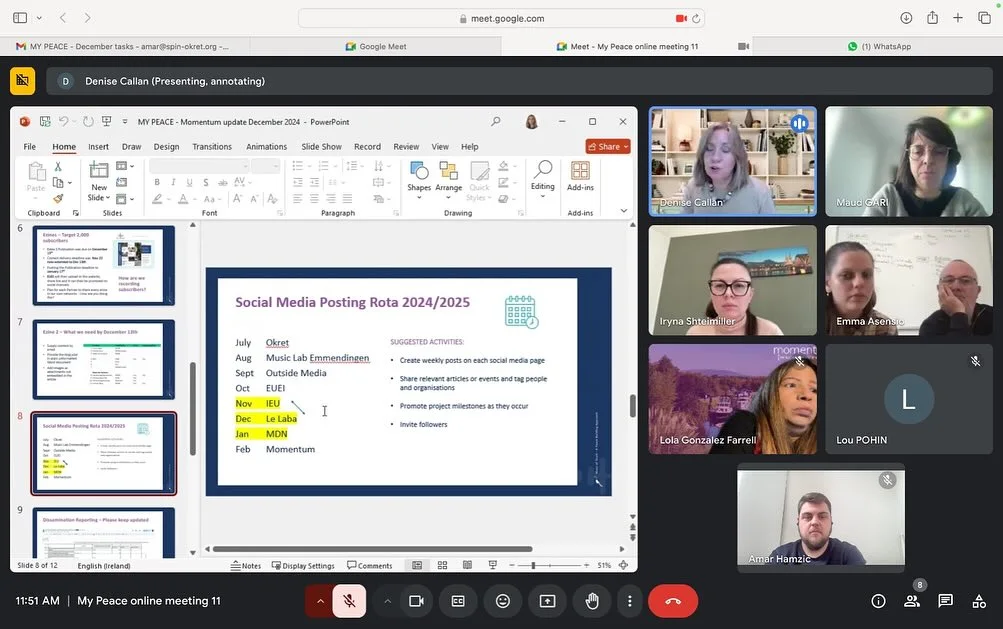
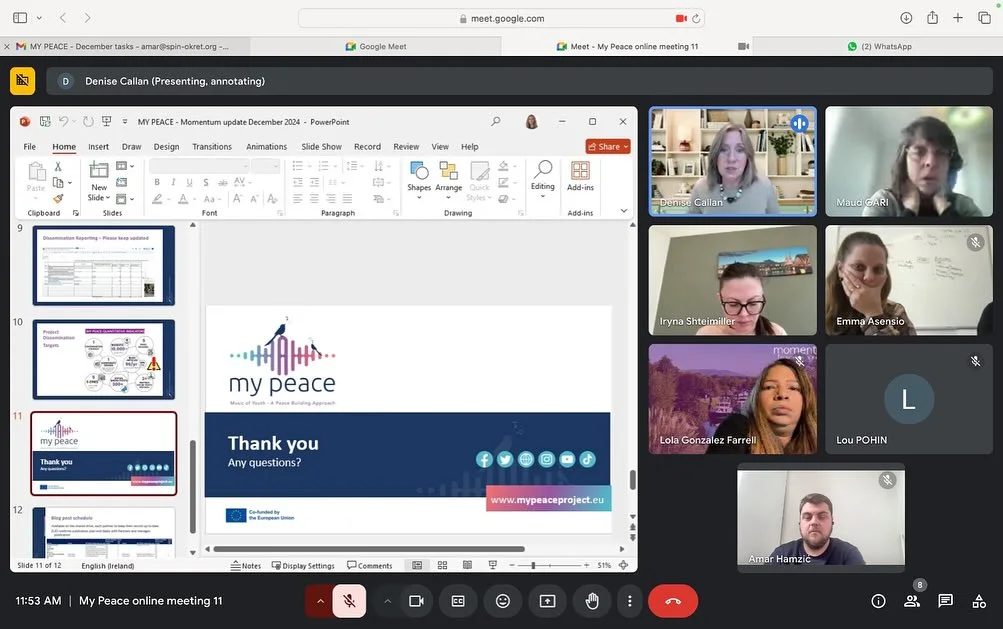
Exciting updates from the MY PEACE project!


In today’s meeting, we discussed regular activities on creation methodology for youth workers and educators to promote peacebuilding through music. 🌍✨ Plus, we’re gearing up for inspiring music sessions with young people in our local communities!
Stay tuned for more updates, resources, and creative vibes!

This meeting was part of the “MUSIC OF YOUTH – A PEACE Building Approach” project, a 2.5-year initiative aimed at empowering youth to engage in the peacebuilding process through music, making it both attractive and accessible to young people.


To learn more about the project and stay up to date with news, check the project website here.

SPIN IN SHORT

Our goal is to contribute to the development of a society with positive values, a society that is recognising the importance of critical thinking, healthy lifestyles and providing equal opportunities for all. Spin is dedicated to creating and providing equal opportunities for all.

LET’S CREATE TOGETHER

Have an idea that you want to turn into a project, have project you need help to implement, want to develop an online course?


Contact SPIN!

© Spin 2024 | Design by AMDesign
EcoInnovate Youth Work – content report from training course

EcoInnovate Youth Work – content report from training course

The resources document activities conducted under the “EcoInnovate Youth Work” project, emphasizing ecological innovation in youth entrepreneurship through circular economy principles. Youth workers from Austria, Germany, and Bosnia and Herzegovina participated in training and evaluation meetings in Berlin, designed to foster their competencies in sustainability, green entrepreneurship, and circular economy practices within youth work.


Main Objectives:

  • Build youth workers’ skills in sustainability and circular economy.
  • Implement youth-driven green initiatives.
  • Strengthen local and international partnerships.
  • Promote continuous, practical engagement and mentoring for youth entrepreneurship.


Who Can Benefit From These Resources?

  • Youth Workers & Educators: Gain practical methodologies and strategies to incorporate sustainability, circular economy, and entrepreneurship into their youth programs.
  • Project Coordinators & NGOs: Access comprehensive insights into project design, management, and evaluation techniques for similar initiatives.
  • Policy Makers & Stakeholders: Understand effective practices, challenges, and recommendations to shape supportive local policies and funding strategies.
  • Young Entrepreneurs & Community Leaders: Learn about sustainable business models, ecological innovation, and the potential for youth-led entrepreneurial projects.

Content Highlights:


1. Training Course (A1)

  • Interactive workshops focusing on circular economy, sustainability, and green entrepreneurship.
  • Sessions covering non-formal education methods, sustainable business models, digital tools, and local eco-initiatives.
  • Hands-on experiences with circular economy strategies and green business simulations.
  • Development of educational sessions tailored to local contexts in Austria, Germany, and Bosnia and Herzegovina.

Check it out on the link below


This material has been published as part of the project EcoInnovate Youth WorkDigital Response to Unemployment Problems in Western Balkans.

SPIN IN SHORT

Our goal is to contribute to the development of a society with positive values, a society that is recognising the importance of critical thinking, healthy lifestyles and providing equal opportunities for all. Spin is dedicated to creating and providing equal opportunities for all.

LET’S CREATE TOGETHER

Have an idea that you want to turn into a project, have project you need help to implement, want to develop an online course?


Contact SPIN!

© Spin 2024 | Design by AMDesign
Adult Education and Non-formal Education in Bosnia and Herzegovina

Adult Education and Non-formal Education in Bosnia and Herzegovina

As part of DRUPWB project, we bring you articles presenting the current educational realities in the Bosnia and Herzegovina.


In Bosnia and Herzegovina, there is a general problem in the education system manifested by a lack of adaptation to the needs of the labor market. This problem is further exacerbated by the marginalization of adult non-formal education. Lifelong learning, especially adult training and education, represents the most prevalent activities in this context. These activities are carried out in regular vocational schools using curricula and programs adopted from formal education, applying the same methodology as regular schooling in vocational schools.

Adult education in Bosnia and Herzegovina


According to the Framework Law on Primary and Secondary Education in Bosnia and Herzegovina, adult education is organized for professional and personal development. Adult education includes vocational training, retraining, upgrading, and other activities that enable lifelong learning. Details related to adult education are regulated by laws of entities, cantons, and the Brčko District of Bosnia and Herzegovina in accordance with the principles and standards defined by the Framework Law. According to the Framework Law on Vocational Education and Training in Bosnia and Herzegovina, schools can organize adult training within their registered activities with the consent of competent educational authorities. The competent minister adopts the curriculum for adult education and training. Additionally, the same law stipulates that adult training participants are charged a fee for training, the amount of which is determined and adopted by the school board with the consent of the competent ministry of education.


When it comes to adult education, it is important to emphasize that there are only three centers in Bosnia and Herzegovina dealing with retraining and upgrading, located in Bihać, Sarajevo, and Široki Brijeg. This is insufficient to meet the population’s needs for this type of improvement.

Non-formal education in Bosnia and Herzegovina


The most common types of non-formal education in Bosnia and Herzegovina are courses offered by private training centers or companies primarily engaged in providing training, courses, and workshops. However, various forms of non-formal education offered by companies or experts in their fields, who primarily do not deal with non-formal education but engage in completely different activities, are gaining increasing popularity. The most sought-after courses for young people in Bosnia and Herzegovina are in the field of IT technical skills, but there is also a growing demand for other types of courses such as project management, digital marketing, graphic design, 3D modeling, financial controlling, risk management, budgeting, and similar areas.


Some analyses and research point out problems in the field of non-formal education in Bosnia and Herzegovina:

  • A small percentage of diplomas and certificates issued by non-formal education organizations to their successful participants are recognized.
  • Additionally, non-formal education is underdeveloped to meet the modern demands of the labor market.
  • There is also a significant lack of strategic planning in non-formal education, resulting in undefined and unplanned functioning.

This article was developed based on the project’s research document “Analysis and map of existing non-formal educational curriculums of VET programs in participating countries”.

If you want to learn more about the research, and read the full document, click here.


DRUPWB project is funded by the European Union. Views and opinions expressed are however those of the author(s) only and do not necessarily reflect those of the European Union or the European Education and Culture Executive Agency (EACEA). Neither the European Union nor EACEA can be held responsible for them.


*This article was originally posted on the project website. Click here for link to the original article. 

SPIN IN SHORT

Our goal is to contribute to the development of a society with positive values, a society that is recognising the importance of critical thinking, healthy lifestyles and providing equal opportunities for all. Spin is dedicated to creating and providing equal opportunities for all.

LET’S CREATE TOGETHER

Have an idea that you want to turn into a project, have project you need help to implement, want to develop an online course?


Contact SPIN!

© Spin 2024 | Design by AMDesign
Formal education in Bosnia and Herzegovina

Formal education in Bosnia and Herzegovina

As part of DRUPWB project, we bring you articles presenting the current educational realities in the Bosnia and Herzegovina.


The Education Sector of the Ministry of Civil Affairs of B&H is responsible for formal education at the state level. The functions and capacities of this ministry are limited and mainly involve coordinating lower administrative bodies on education matters and overseeing the implementation of adopted education laws at all levels.


The Republika Srpska entity, the 10 cantons in the Federation of Bosnia and Herzegovina, and the Brčko District have primary responsibilities for education in Bosnia and Herzegovina. The Federation of Bosnia and Herzegovina has limited responsibilities, mostly related to coordination among cantons.

At the entity level in Bosnia and Herzegovina, there are two ministries responsible for formal education.


In the Federation of Bosnia and Herzegovina, it is the Ministry of Education and Science, while in Republika Srpska, it is the Ministry of Education and Culture.


In the Brčko District, the responsibility for education is delegated to the Education Sector of the District Government.


Each of the ten cantons in the Federation of Bosnia and Herzegovina has their own Ministry of Education and regulations on education. Cantons independently finance education according to their constitutional powers, and cantonal ministries of education are also responsible for science, culture, and sports. Budgets, capacities, and sizes of these ministries vary from canton to canton.

Financing of formal education in Bosnia and Herzegovina


Formal education in Bosnia and Herzegovina is mostly financed from public funds of the entity budget, cantonal budget, Brčko District budget, and municipal budget, depending on the jurisdiction. This practically means that there are thirteen separate budgets for education in Bosnia and Herzegovina, including two entity budgets, one in the Brčko District, and ten cantonal budgets.


Republika Srpska allocates about 4% of its GDP for education, the Federation of Bosnia and Herzegovina allocates about 6% of GDP, while the Brčko District allocates 11.2% of the total District budget for education.


The fragmentation of the education system is reflected in this segment, as there are significant differences in average spending per student, as well as differences in salary levels and allowances for employees in the education sector across the country.

Levels of formal education


Education in Bosnia and Herzegovina is organized into four basic levels: preschool education and upbringing, primary, secondary, and higher education.


According to the latest available statistical data from the 2022/2023 academic year, Bosnia and Herzegovina has 1,738 primary schools, around 312 secondary schools, and 38 licensed higher education institutions, both private and public.


Secondary education

Secondary education offers various opportunities, including general education (gymnasiums), vocational education, artistic, and religious education. General secondary education lasts for four years, while vocational secondary education, provided through technical and vocational schools, lasts for three or four years.


A secondary vocational qualification is obtained upon successful completion of secondary education lasting three or four years in a secondary school, which can be an independent institution or part of a school or secondary school center. This qualification can be obtained in different types of institutions, such as gymnasiums, vocational schools for education and training (art schools, technical schools, vocational schools), artistic and religious schools, as well as schools for students with developmental difficulties.


In the 2022/2023 school year, a total of 107,936 students enrolled in 312 secondary schools in Bosnia and Herzegovina.


Higher education

Higher education in Bosnia and Herzegovina is organized into three cycles:

  • The first cycle leads to the academic title of a completed graduate study, which is obtained after a minimum of three and a maximum of four years of regular study and is valued at a minimum of 180 or 240 ECTS credits. An exception is made for studies in the field of medical sciences, which are valued at 360 ECTS credits.
  • The second cycle leads to the academic title of master or equivalent, obtained after completing a graduate study, lasts one or two years, and is valued at 60 or 120 ECTS credits.
  • The third cycle leads to the academic title of doctor or equivalent, lasts three years, and is valued at 180 ECTS credits.


Higher education institutions must be accredited to operate and provide diplomas and certificates to their participants.


In the 2022/2023 academic year, during the winter semester, 73,250 students were enrolled in the first cycle of higher education studies, including short cycles and integrated studies. Out of this number, 64,064 students were enrolled in all years of study, while 9,186 students were graduates.


Higher education institutions are funded in accordance with laws and regulations by the authorities of Republika Srpska or the Federation of Bosnia and Herzegovina. Higher education activities are governed by the laws of Republika Srpska or the Federation of Bosnia and Herzegovina at the entity level, while the Ministry of Civil Affairs at the state level coordinates higher education activities between the two entities.

This article was developed based on the project’s research document “Analysis and map of existing non-formal educational curriculums of VET programs in participating countries”.

If you want to learn more about the research, and read the full document, click here.


DRUPWB project is funded by the European Union. Views and opinions expressed are however those of the author(s) only and do not necessarily reflect those of the European Union or the European Education and Culture Executive Agency (EACEA). Neither the European Union nor EACEA can be held responsible for them.


*This article was originally posted on the project website. Click here for link to the original article. 

SPIN IN SHORT

Our goal is to contribute to the development of a society with positive values, a society that is recognising the importance of critical thinking, healthy lifestyles and providing equal opportunities for all. Spin is dedicated to creating and providing equal opportunities for all.

LET’S CREATE TOGETHER

Have an idea that you want to turn into a project, have project you need help to implement, want to develop an online course?


Contact SPIN!

© Spin 2024 | Design by AMDesign

Transnational partners’ meeting as part of the MY PEACE project

Transnational partners’ meeting as part of the MY PEACE project

On July 4th and 5th, 2024, representatives from Spin participated in an international project meeting as part of the MY PEACE project.


During their visit to France, the partners had the opportunity to explore Le Rocher de Palmer, a cultural center dedicated to music, and learn about its regular activities. The meeting also provided a platform for discussing ongoing project implementation, reviewing data collection for research, and creating a methodology for youth educators as part of Work Package 2 (WP2). Additionally, partners updated each other on dissemination activities in their local communities and the results of the regular project monitoring surveys.

This meeting was part of the “MUSIC OF YOUTH – A PEACE Building Approach” project, a 2.5-year initiative aimed at empowering youth to engage in the peacebuilding process through music, making it both attractive and accessible to young people.


To learn more about the project and stay up to date with news, check the project website here.

SPIN IN SHORT

Our goal is to contribute to the development of a society with positive values, a society that is recognising the importance of critical thinking, healthy lifestyles and providing equal opportunities for all. Spin is dedicated to creating and providing equal opportunities for all.

LET’S CREATE TOGETHER

Have an idea that you want to turn into a project, have project you need help to implement, want to develop an online course?


Contact SPIN!

© Spin 2024 | Design by AMDesign

EcoInnovate Youth Work

EcoInnovate Youth Work

Full project name: Ecologically innovative approaches to youth work activities in the field of entrepreneurship

Project duration: 01.07.2024. – 31.01.2025.

Project reference: 2024-1-AT01-KA153-YOU-000240080

EU Grant: 31.029,00 €

Program: Erasmus+

Key Action: KA153-YOU – Mobility of youth workers

Partner countries: Bosnia and Herzegovina, Austria, Germany


Spin is official project partner.

Venues and dates: Berlin, Germany; September – December 2024

Moving to a green economy means not only increased green scaling and green jobs, but also a new type of entrepreneurship, new ideas, new innovation, new businesses, equal new economic opportunity.

The latest researches shows that while green entrepreneurship is nascent, it’s growing at a faster rate than overall entrepreneurship globally. And it’s not just in sectors traditionally thought of as green, green founders are also leading the charge in architecture, design, finance, and software. The most important issues of today are protecting the environment and leaving a clean environment to future generations. It is important for the development of green entrepreneurship that the viewpoint of the society toward nature and green production is changing day by day and promoting it. This will naturally bring with it the importance an importance of vital issues such as conservation of energy and green, recycling gaining importance, promoting reusability and the development of the economy.


We are using green entrepreneurship as the main priority and topic of the project as green entrepreneurship is at the moment seen as an entrepreneurial process of identifying and creating “unrealized” products and services that promote sustainable development of the environment, helps to reduce the damage to natural resources, solve environmental problems, provide new employment opportunities. which further help in promoting sustainable social and economic development.

The project objectives are the following:


  • To increase the competencies and abilities of 18 youth workers from 3 partner organisations for implementation of youth work activities based on ecologically innovative approaches in youth work
  • To develop capacities of partner organisations involved for the development of new and upgrade of existing youth work activities combining sustainability, circular economy and entrepreneurship at both local and international levels
  • To promote the Erasmus+ Program as an opportunity for youth workers and young people in the EU and WB countries, as well as to promote the Youthpass certificate as a learning recognition tool
  • To implement multiplication educational workshops in local communities of partner organisations with an aim to promote project results to the wider community

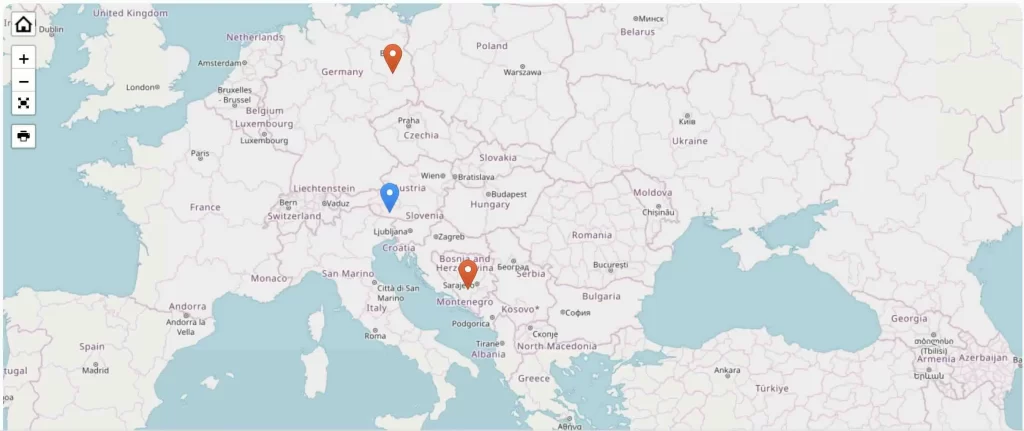
Project map

SPIN IN SHORT

Our goal is to contribute to the development of a society with positive values, a society that is recognising the importance of critical thinking, healthy lifestyles and providing equal opportunities for all. Spin is dedicated to creating and providing equal opportunities for all.

LET’S CREATE TOGETHER

Have an idea that you want to turn into a project, have project you need help to implement, want to develop an online course?


Contact SPIN!

© Spin 2024 | Design by AMDesign

DRUPWB platform launched

DRUPWB platform launched

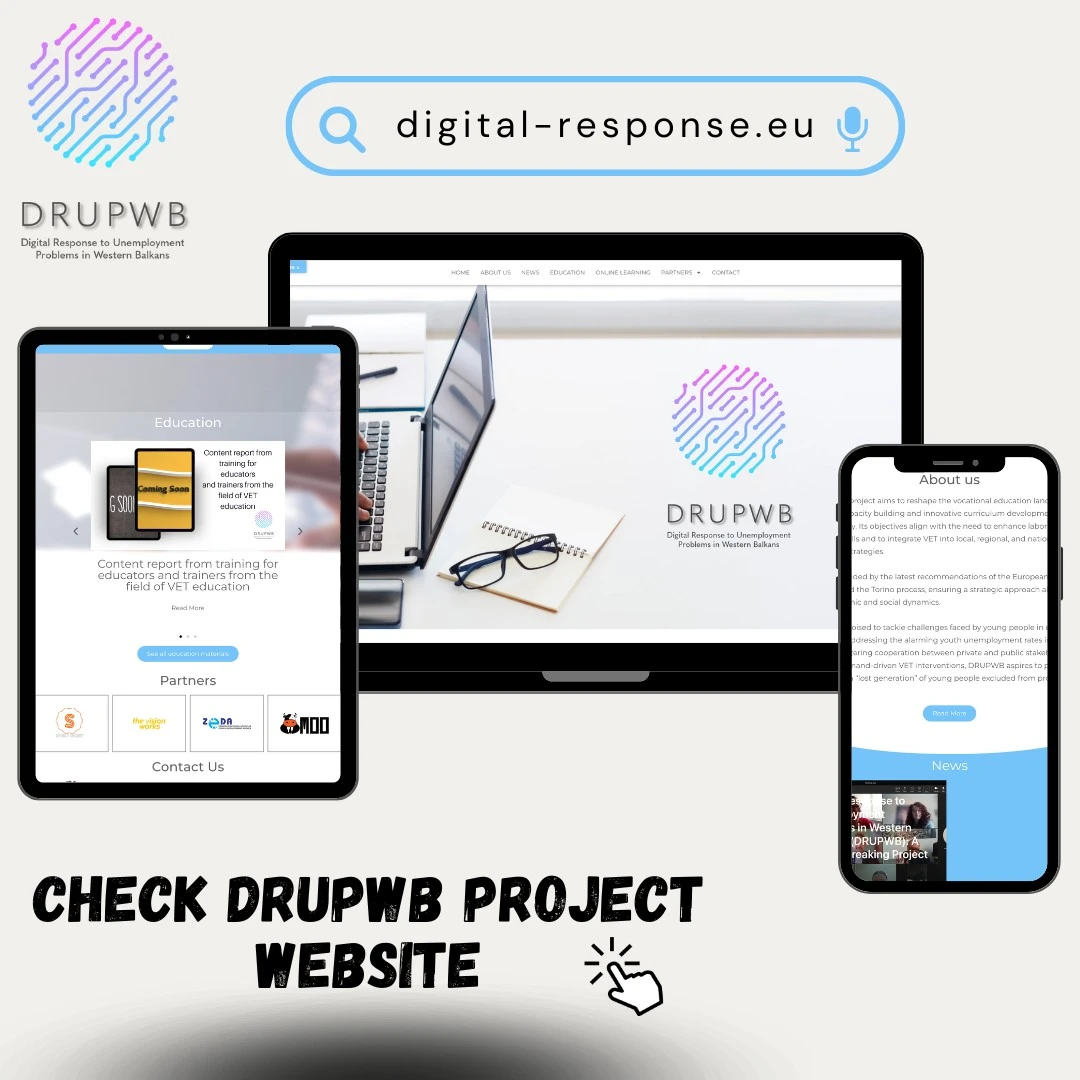
In May 2024 we have officially launched first version of our DRUPWB online platform. For now, platform is available in website format – presenting the main project activities, offering educational resources, and providing chance for interested parties to reach out to partners of the DRUPWB project.


In the section News of the DRUPWB platform, you can find the most recent updates from the project activities and work of our partner organisations.


Education section offers insights into our educational materials: research, educational curriculum, and content report from the training for educators. For now, only the research document is published and available. Other educational materials will be published in August 2024 (educational curriculum) and February 2025 (content report).


Online learning part of our platform will offer educational online learning courses, available both in formats of micro learning courses and longer educational courses. The courses will be based on the asynchronous approach to online learning – meaning that you can go through the course in your own pace and at your convenience.

Online learning will be launched by the end of 2024.


Partners section offers insights into work of partner organisations implementing the DRUPWB initiative.


Don’t forget that you can always use the Contact form on the site, if you are interested in learning more about the project, joining some activities, or using the educational resources.


By the end of 2024 we will launch additional segment of the platform, enabling users to login and keep track of their participation in the online learning courses offered on the platform.


Check the platform by visiting this link.


This article is reposted from the project website: https://digital-response.eu/

SPIN IN SHORT

Our goal is to contribute to the development of a society with positive values, a society that is recognising the importance of critical thinking, healthy lifestyles and providing equal opportunities for all. Spin is dedicated to creating and providing equal opportunities for all.

LET’S CREATE TOGETHER

Have an idea that you want to turn into a project, have project you need help to implement, want to develop an online course?


Contact SPIN!

© Spin 2024 | Design by AMDesign