Research Methodology and Feasibility Study Guide
Within the DigiCreate project – Intercultural Digital Dialogue and Networking in Cultural and Creative Industries for Young People – partners have developed the Research Methodology and Feasibility Study Guide, a key publication supporting the validation of the DigiCreate methodological framework and the preparation of future training and mentoring activities.
This guide provides a structured research framework that enables partners to collect reliable and comparable data across all participating countries. It ensures that the project’s educational tools, mentoring models, and digital learning activities are based on real needs and evidence from young people engaged in, or aspiring to enter, the cultural and creative industries.
Purpose of the guide
Young people working in creative fields often face barriers such as limited access to training opportunities, digital gaps, financial constraints, and unequal participation in non-formal education. The DigiCreate project responds to these challenges by promoting inclusive digital learning, intercultural exchange, and skills development tailored to the realities of young creatives across Europe and the Western Balkans.
The Research Methodology and Feasibility Study Guide was created to support this process by defining how partners will explore youth needs, identify skill gaps, and assess the feasibility of implementing mentoring and training programmes in their national contexts.
What the guide contains
The publication outlines the full research process used in DigiCreate, including:
Clear research goals and key questions focused on youth skills, barriers, and opportunities in the creative sector
A mixed-methods research approach combining desk research, online questionnaires, focus groups, and feasibility studies
Sampling guidelines ensuring diverse participation of young people aged 18–30 from different educational, cultural, and professional backgrounds
Standardised tools for data collection and analysis to ensure consistency across partner countries
Feasibility study criteria assessing technical, organisational, financial, legal, and stakeholder aspects necessary for successful implementation of project activities
By using a shared methodological framework, the DigiCreate consortium ensures that research findings are comparable, reliable, and useful for shaping future project outputs.
How the research supports DigiCreate activities
The research process follows a step-by-step approach. First, partners conduct desk research and online surveys to gather broad quantitative data on youth experiences and needs. This is followed by qualitative focus groups that explore participants’ perspectives in more depth. Finally, feasibility studies assess the practical conditions required to implement mentoring programmes and digital learning activities in each country.
The results of this process will directly inform the development of DigiCreate training curricula, mentoring structures, and digital learning tools. In this way, the guide plays a crucial role in ensuring that all project outputs are inclusive, relevant, and adaptable to different national contexts.
European cooperation for youth in creative industries
DigiCreate brings together organisations from several European countries, combining expertise in youth work, higher education, digital innovation, and cultural and creative industries. Through this cooperation, the project contributes to strengthening youth participation, improving employability, and supporting intercultural collaboration in the creative sector.
The Research Methodology and Feasibility Study Guide represents an important milestone in this process, providing the evidence-based foundation for the next stages of the project.
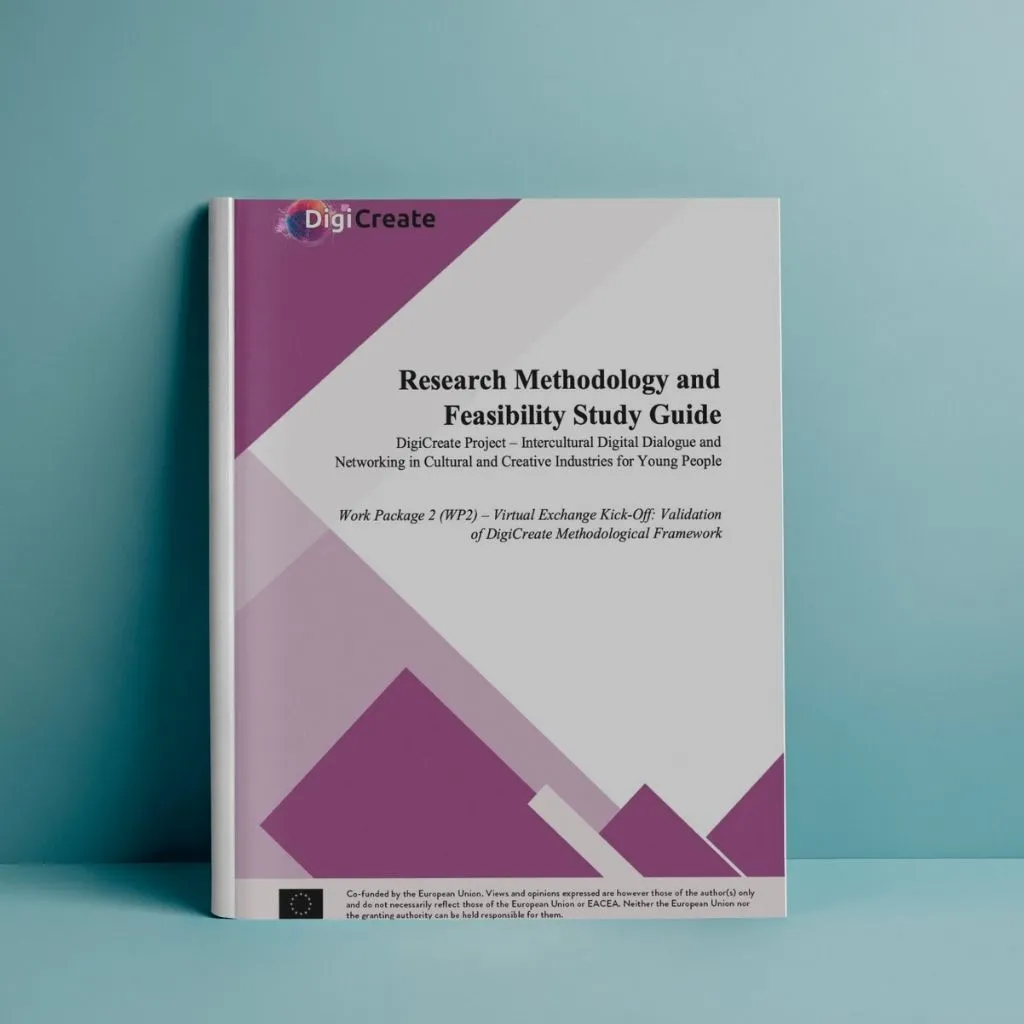
Check it out on the link below
Co-funded by the European Union. Views and opinions expressed are however those of the author(s) only and do not necessarily reflect those of the European Union or the granting authority. Neither the European Union nor the granting authority can be held responsible for them.
SPIN IN SHORT
Our goal is to contribute to the development of a society with positive values, a society that is recognising the importance of critical thinking, healthy lifestyles and providing equal opportunities for all. Spin is dedicated to creating and providing equal opportunities for all.
LET’S CREATE TOGETHER
Have an idea that you want to turn into a project, have project you need help to implement, want to develop an online course?
Contact SPIN!
© Spin 2026 | Design by AMDesign