Adult Education and Non-formal Education in Bosnia and Herzegovina
As part of DRUPWB project, we bring you articles presenting the current educational realities in the Bosnia and Herzegovina.
In Bosnia and Herzegovina, there is a general problem in the education system manifested by a lack of adaptation to the needs of the labor market. This problem is further exacerbated by the marginalization of adult non-formal education. Lifelong learning, especially adult training and education, represents the most prevalent activities in this context. These activities are carried out in regular vocational schools using curricula and programs adopted from formal education, applying the same methodology as regular schooling in vocational schools.
Adult education in Bosnia and Herzegovina
According to the Framework Law on Primary and Secondary Education in Bosnia and Herzegovina, adult education is organized for professional and personal development. Adult education includes vocational training, retraining, upgrading, and other activities that enable lifelong learning. Details related to adult education are regulated by laws of entities, cantons, and the Brčko District of Bosnia and Herzegovina in accordance with the principles and standards defined by the Framework Law. According to the Framework Law on Vocational Education and Training in Bosnia and Herzegovina, schools can organize adult training within their registered activities with the consent of competent educational authorities. The competent minister adopts the curriculum for adult education and training. Additionally, the same law stipulates that adult training participants are charged a fee for training, the amount of which is determined and adopted by the school board with the consent of the competent ministry of education.
When it comes to adult education, it is important to emphasize that there are only three centers in Bosnia and Herzegovina dealing with retraining and upgrading, located in Bihać, Sarajevo, and Široki Brijeg. This is insufficient to meet the population’s needs for this type of improvement.
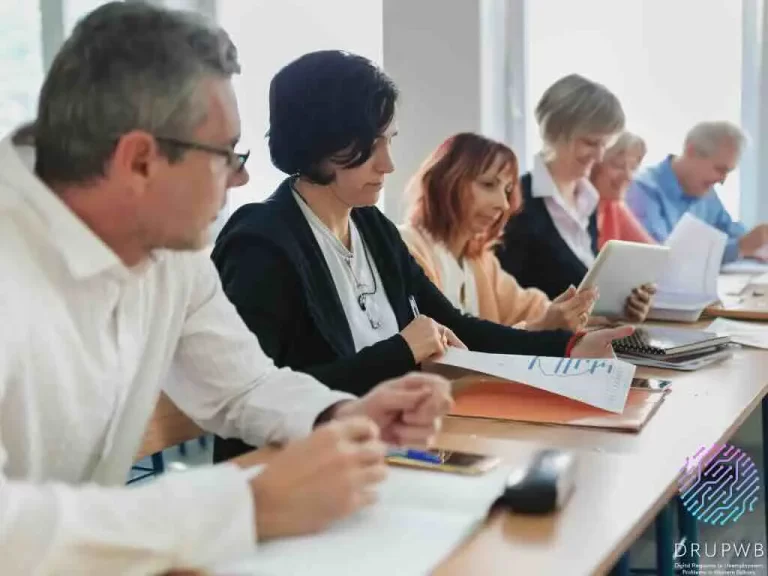
Non-formal education in Bosnia and Herzegovina
The most common types of non-formal education in Bosnia and Herzegovina are courses offered by private training centers or companies primarily engaged in providing training, courses, and workshops. However, various forms of non-formal education offered by companies or experts in their fields, who primarily do not deal with non-formal education but engage in completely different activities, are gaining increasing popularity. The most sought-after courses for young people in Bosnia and Herzegovina are in the field of IT technical skills, but there is also a growing demand for other types of courses such as project management, digital marketing, graphic design, 3D modeling, financial controlling, risk management, budgeting, and similar areas.
Some analyses and research point out problems in the field of non-formal education in Bosnia and Herzegovina:
- A small percentage of diplomas and certificates issued by non-formal education organizations to their successful participants are recognized.
- Additionally, non-formal education is underdeveloped to meet the modern demands of the labor market.
- There is also a significant lack of strategic planning in non-formal education, resulting in undefined and unplanned functioning.
This article was developed based on the project’s research document “Analysis and map of existing non-formal educational curriculums of VET programs in participating countries”.
If you want to learn more about the research, and read the full document, click here.
DRUPWB project is funded by the European Union. Views and opinions expressed are however those of the author(s) only and do not necessarily reflect those of the European Union or the European Education and Culture Executive Agency (EACEA). Neither the European Union nor EACEA can be held responsible for them.
*This article was originally posted on the project website. Click here for link to the original article.
SPIN IN SHORT
Our goal is to contribute to the development of a society with positive values, a society that is recognising the importance of critical thinking, healthy lifestyles and providing equal opportunities for all. Spin is dedicated to creating and providing equal opportunities for all.
LET’S CREATE TOGETHER
Have an idea that you want to turn into a project, have project you need help to implement, want to develop an online course?
Contact SPIN!