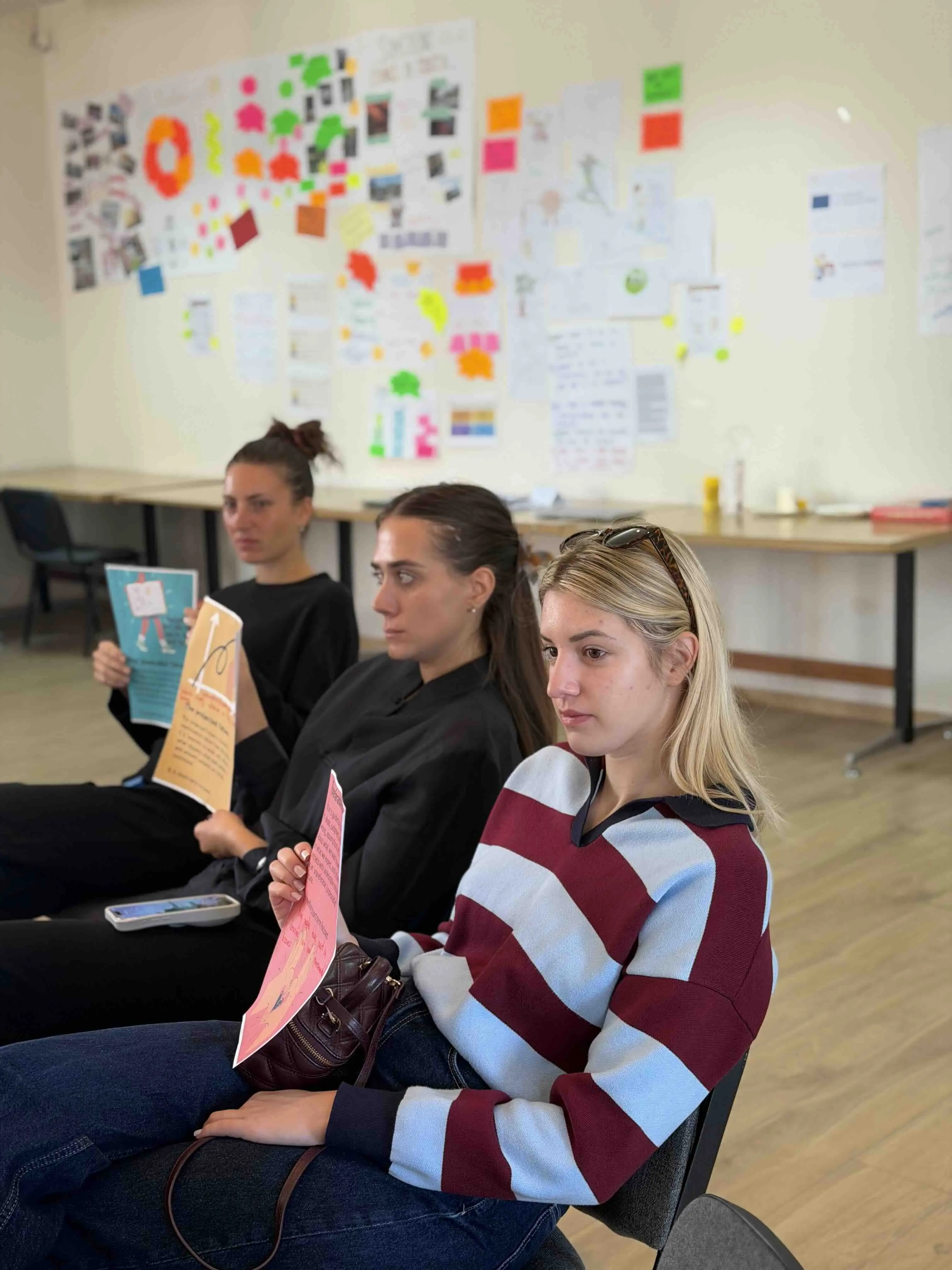
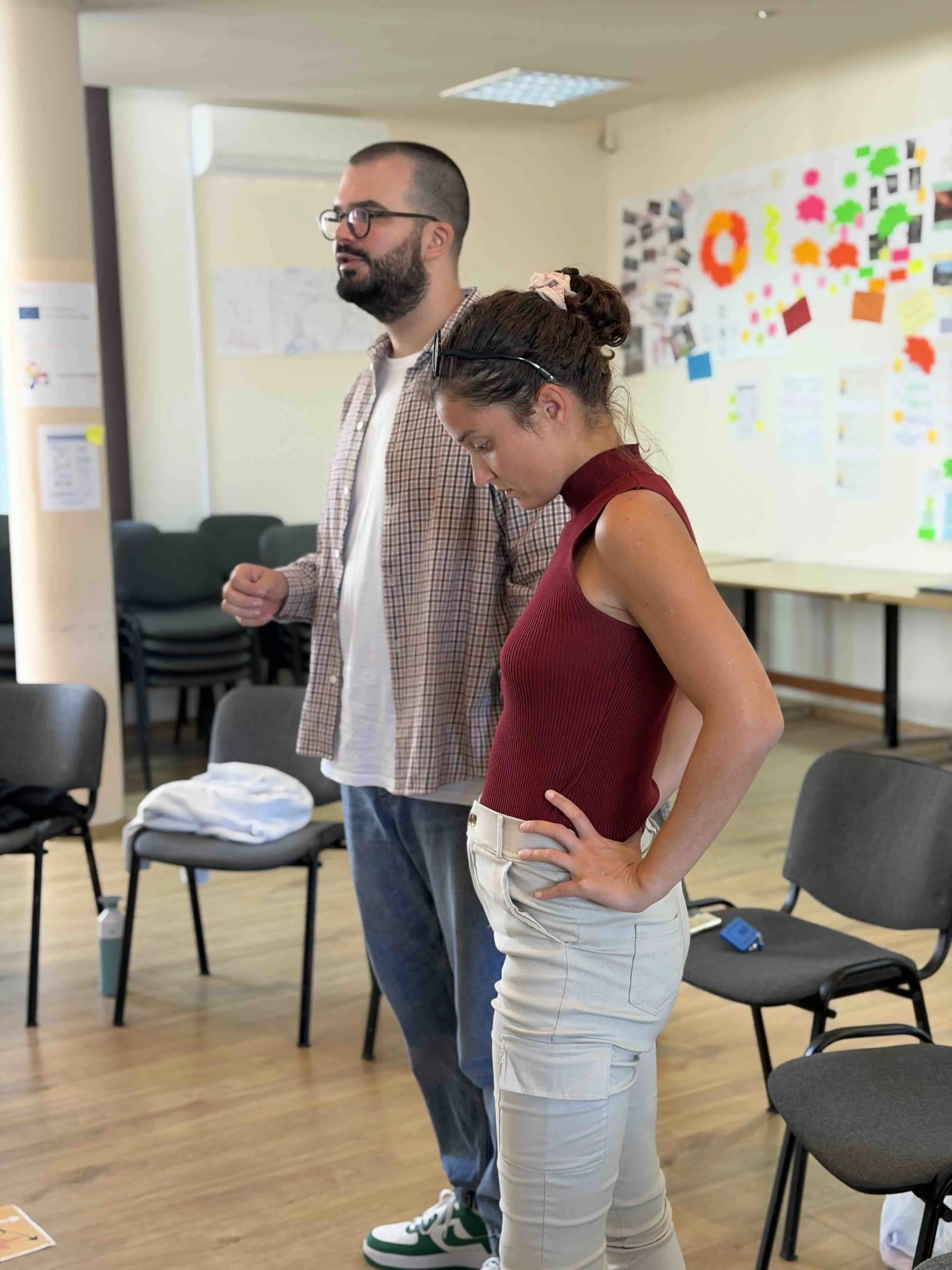
For ten days at the end of October, the Croatian coastal city of Zadar became a space for a question that more and more youth organisations are asking themselves: how do you make sustainability a real part of everyday work with young people, and not just a topic that comes up once a year on Earth Day?
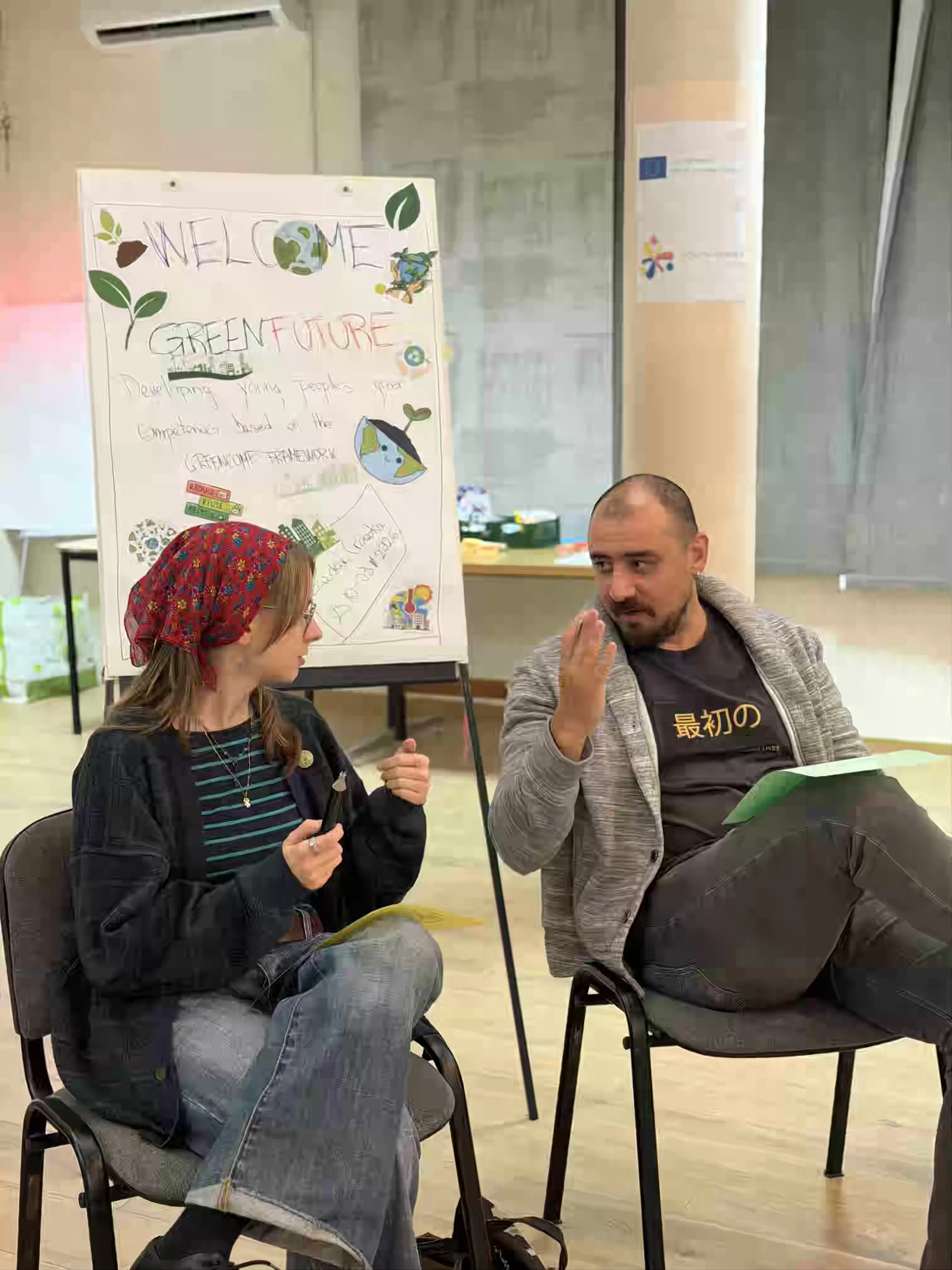
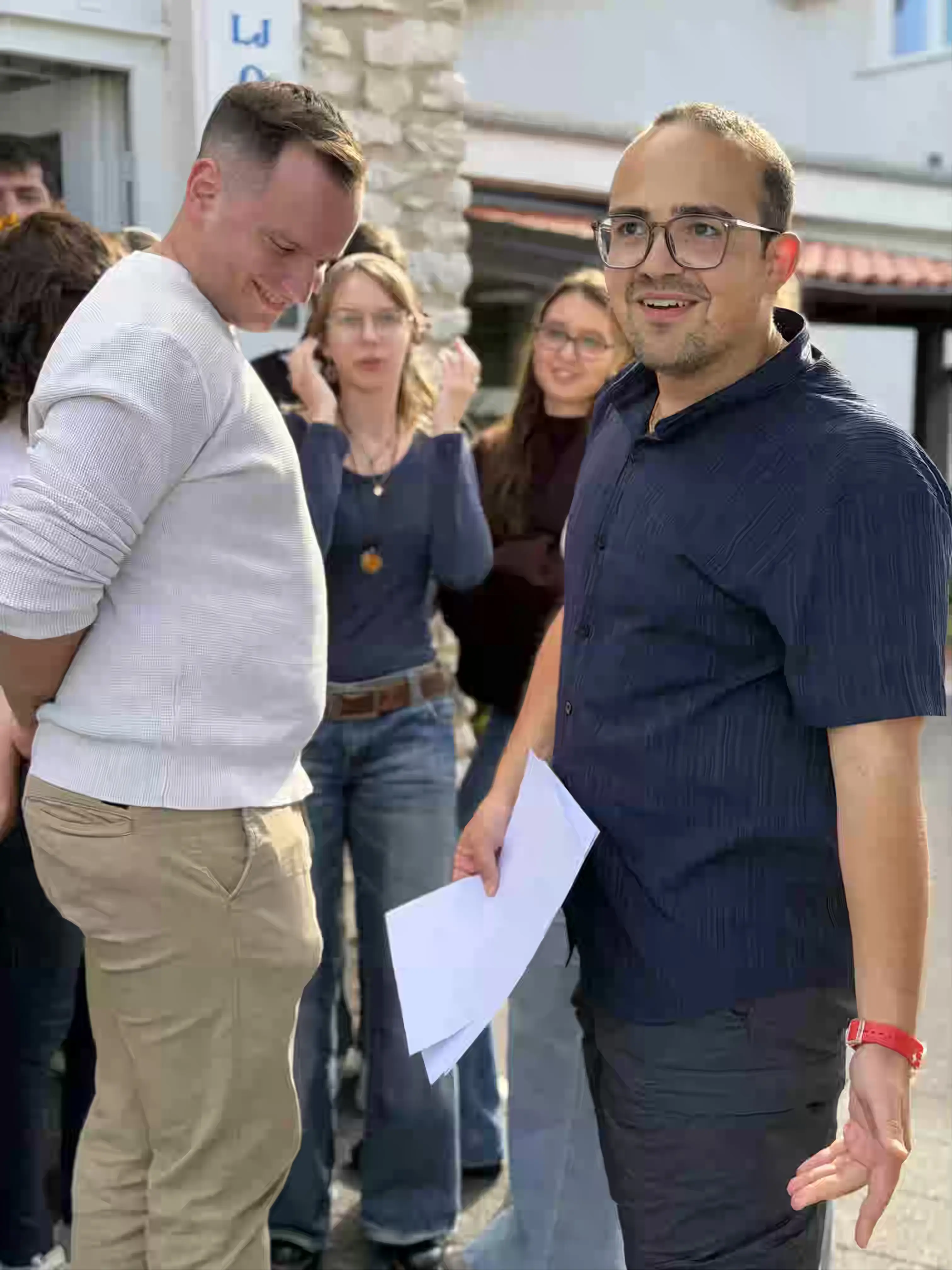
From 25 October to 3 November 2026, youth workers from Austria, Croatia, Germany, Bosnia and Herzegovina and Montenegro gathered for the international training course “Green Future: Developing Young People’s Green Competences Based on the GreenComp Framework”. The project is implemented by Youth Power Austria, together with partners Udruga Zaželi, Youth Power Germany, Okret/SPIN and NVO Glas, and is co-funded by the Erasmus+ programme of the European Union.
The idea behind it is simple, even if the challenge is not. Young people are the generation that will live with the consequences of climate change and environmental degradation, yet many of the adults who work with them say they lack the frameworks and practical tools to address these issues in a structured way. Green Future set out to change that, using GreenComp, the European Sustainability Competence Framework, as a common language for the whole group.
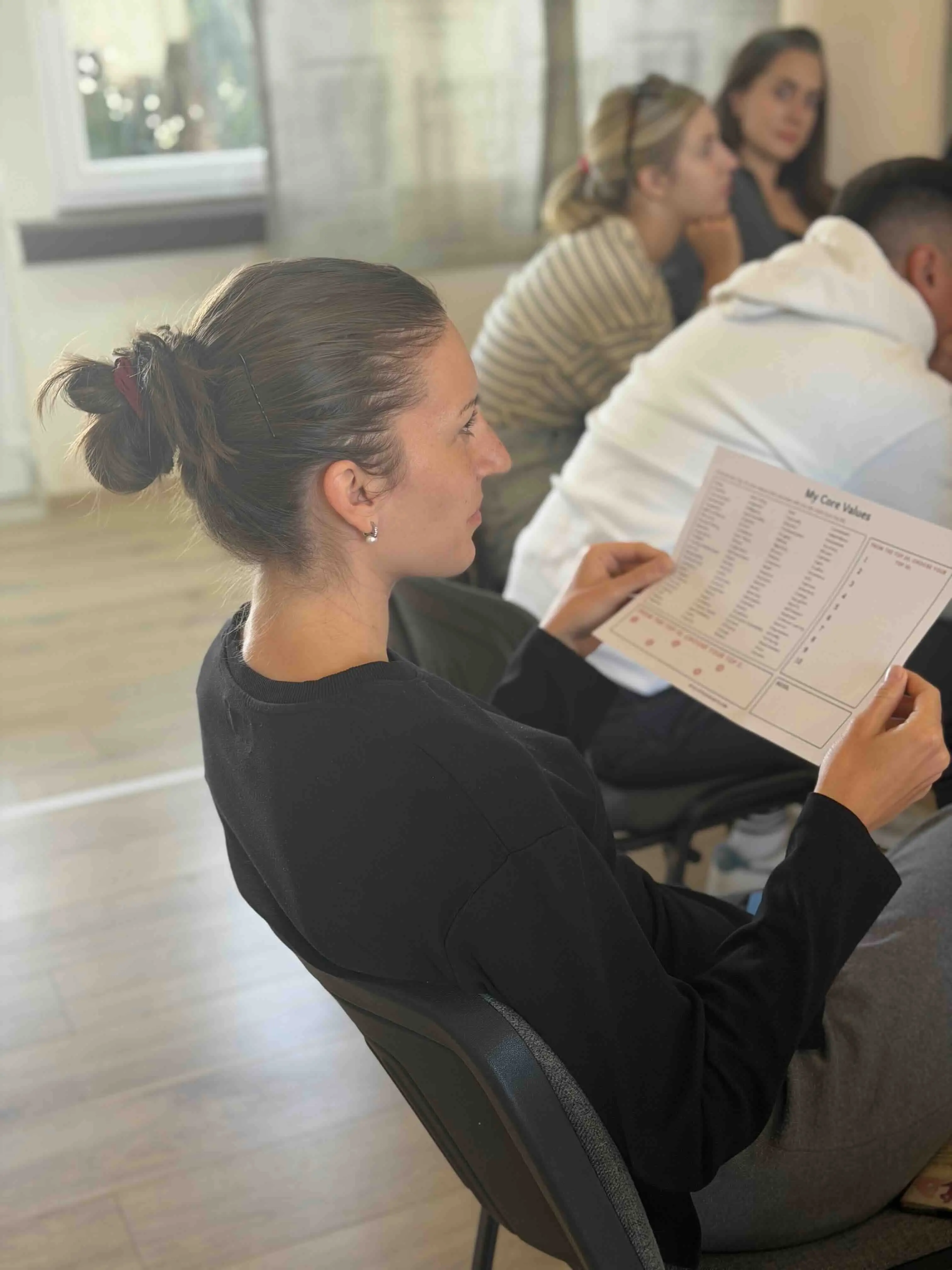
GreenComp describes sustainability through four areas: embodying sustainability values, embracing complexity, envisioning sustainable futures and acting for sustainability. On paper, that can sound abstract. In Zadar, the task was to make it tangible. Participants looked at how systems thinking helps young people understand that environmental problems are rarely isolated, and how values and awareness can be turned into concrete action in a local community.
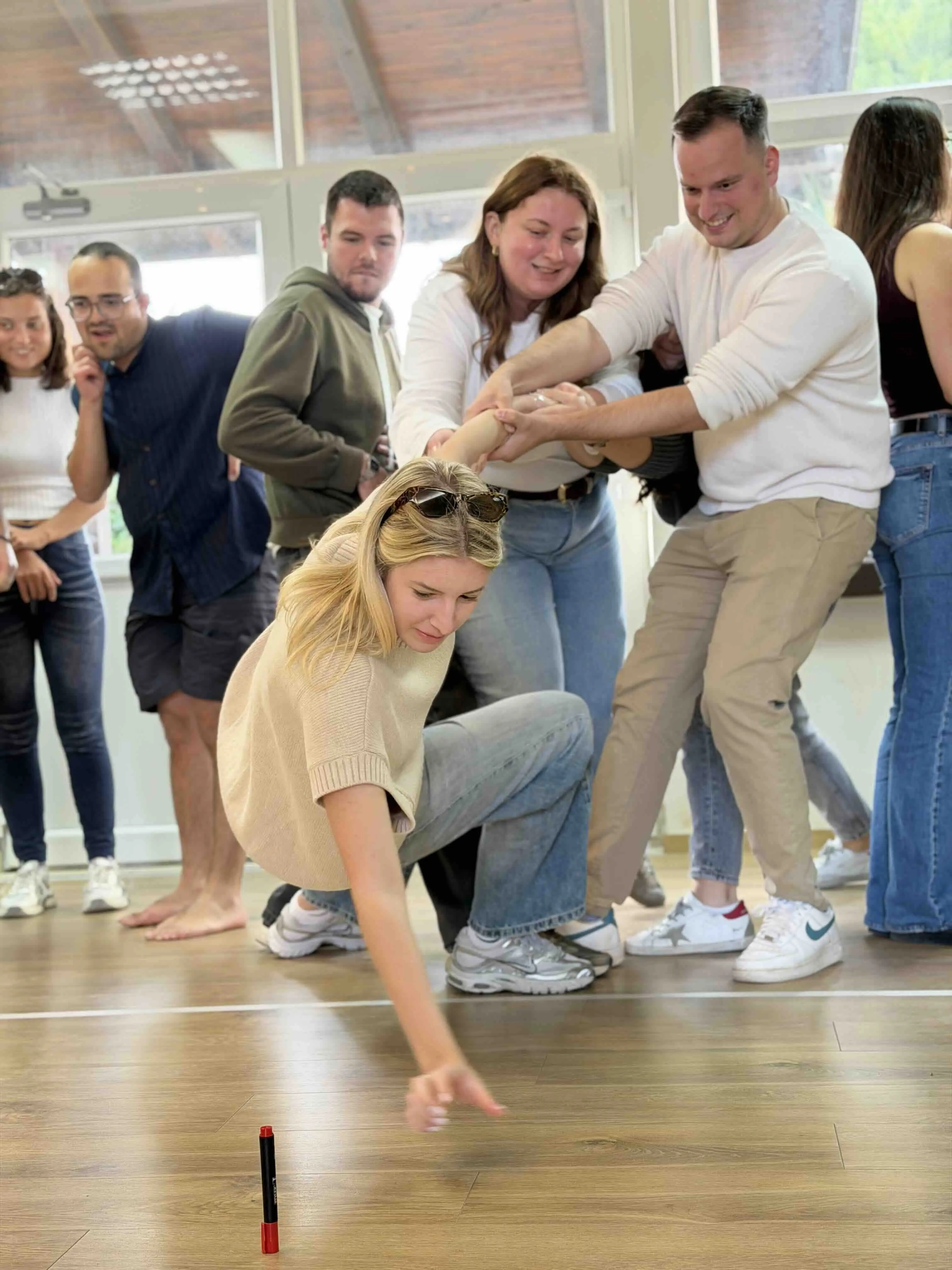
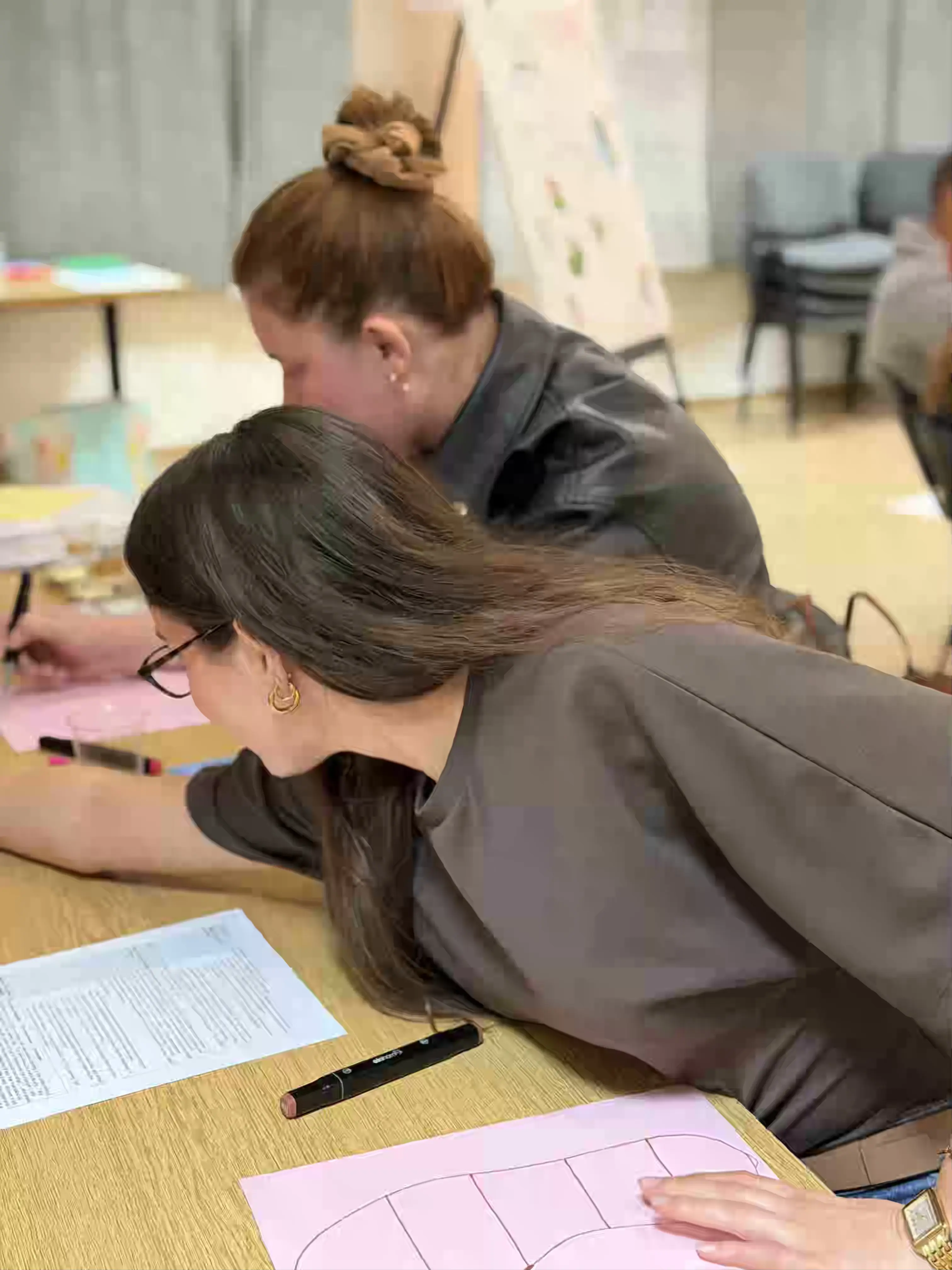
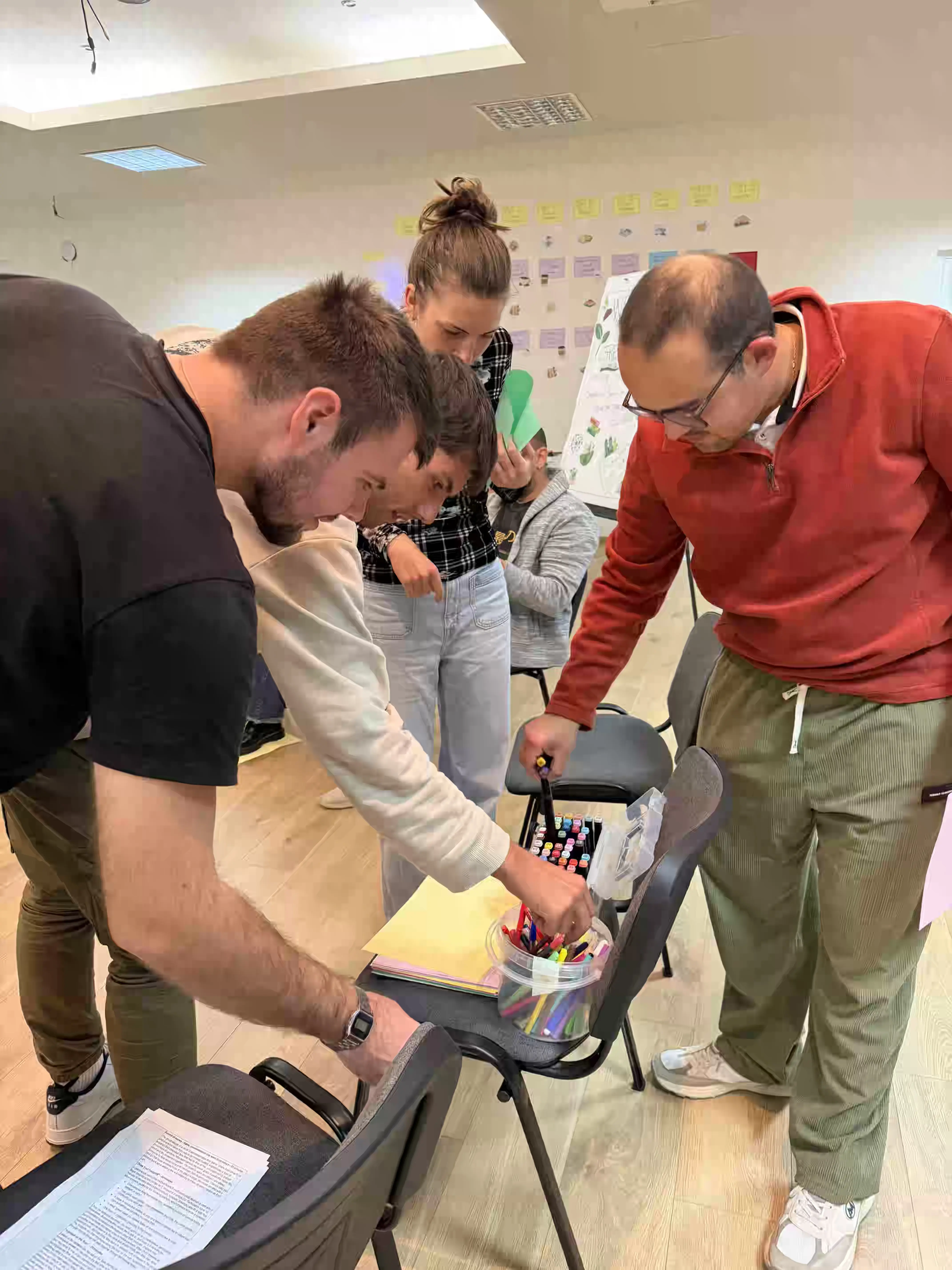
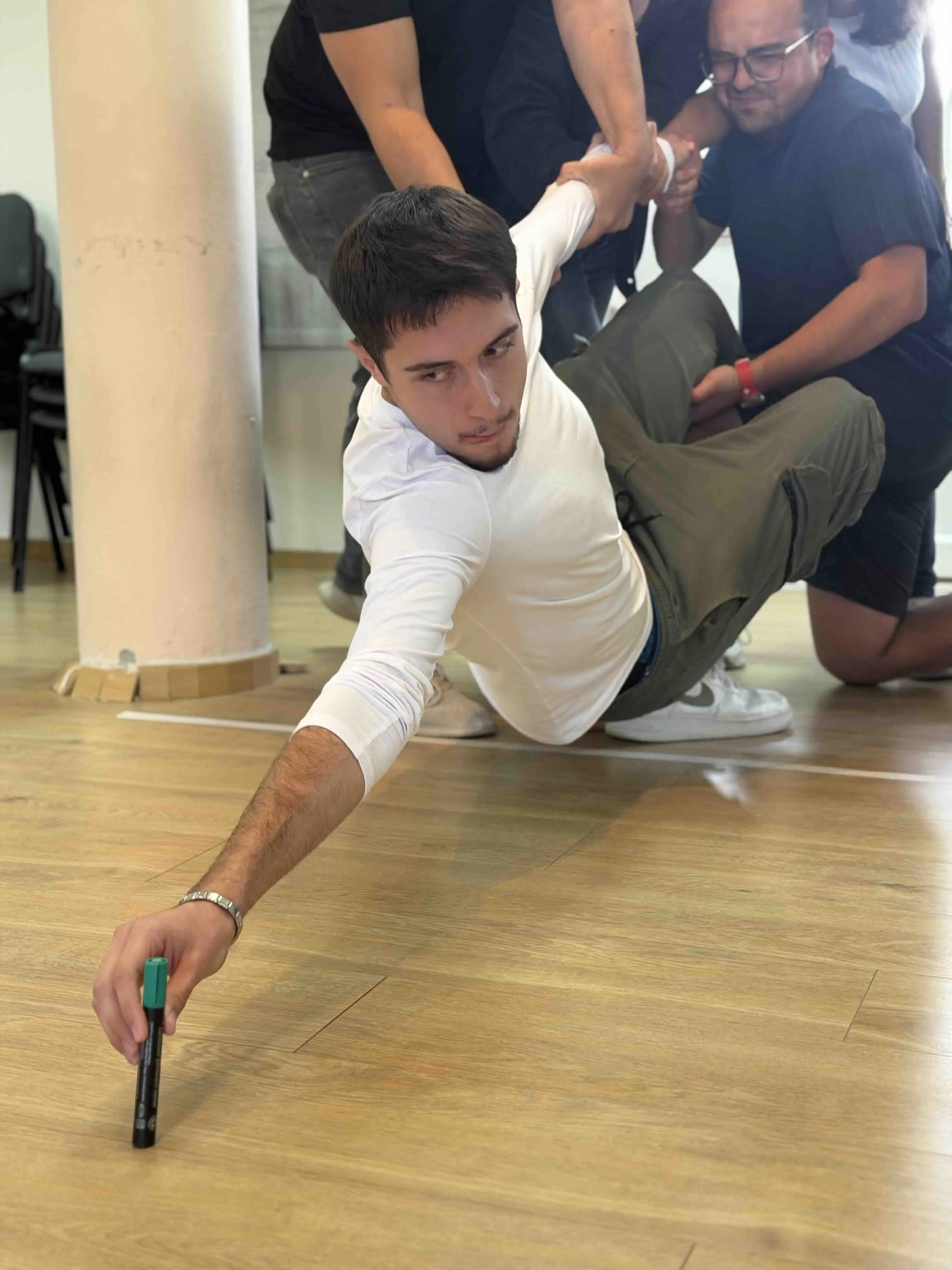
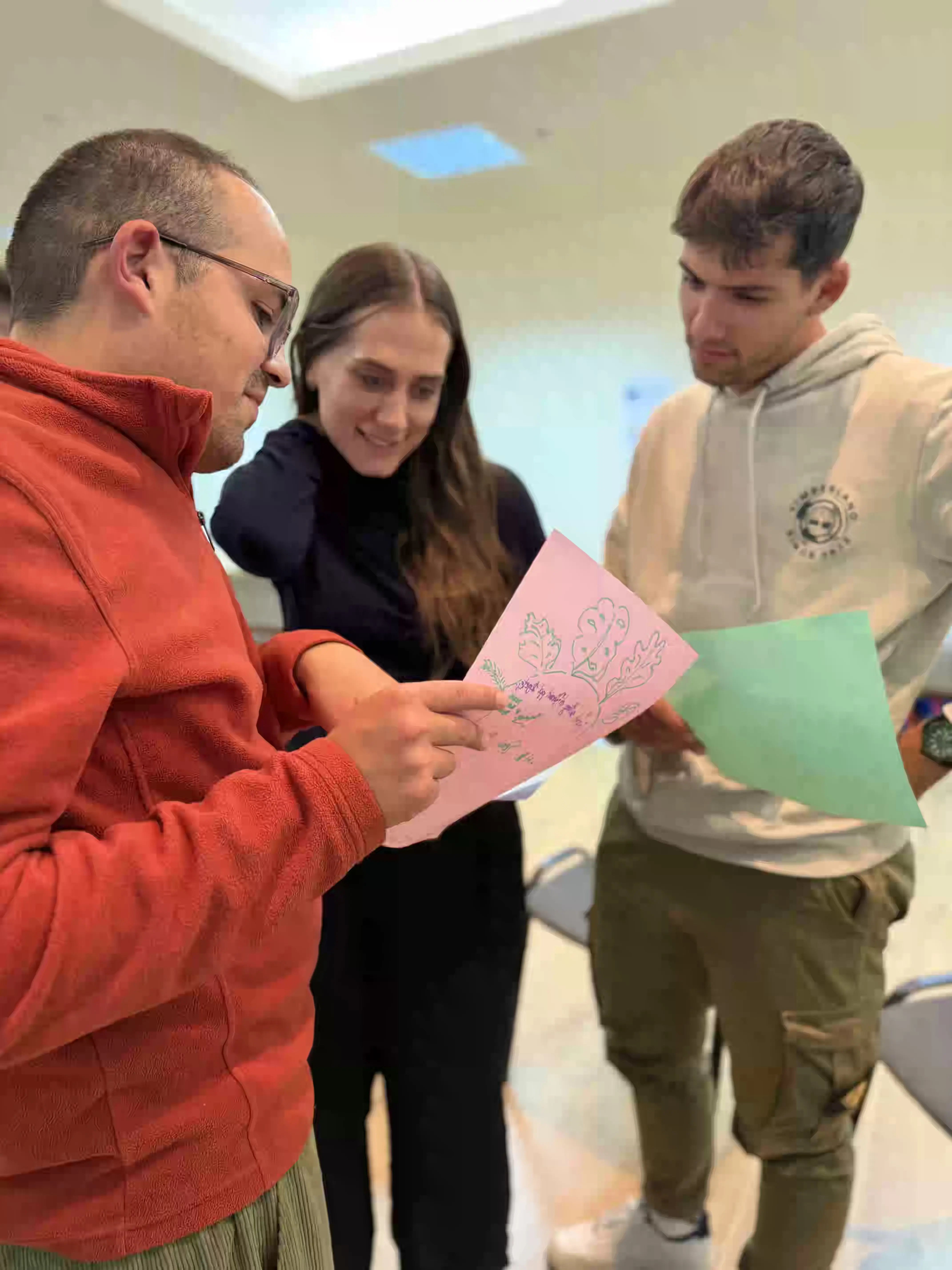
True to the spirit of non-formal education, the programme was built on learning by doing. Interactive workshops, group work, creative methods and open reflection took the place of lectures, while exploring local initiatives in Zadar showed how sustainability looks in practice. The mix of countries added another layer. Youth workers from EU Member States and from the Western Balkans compared experiences from very different realities, from well-developed green policies to contexts where sustainability education is still finding its footing. The differences turned out to be less of an obstacle than a resource.
Somewhere around the midpoint of the course, the group noticed what many international trainings quietly depend on: the real value was not only in the sessions, but in the conversations that continued after them. New contacts, fresh perspectives and the discovery that colleagues in other countries wrestle with the same questions became part of the learning.
Now the work moves home. Participants are returning to their organisations with new knowledge, practical methods and, importantly, the motivation to pass them on. In the coming weeks they will organise follow-up workshops in their local communities, bringing GreenComp-based activities to young people and to fellow youth workers, including those with fewer opportunities. The experience from Zadar will also feed into a final content report, which will be shared so that other youth workers can use the methods too.
As one chapter closes, the organisers hope another opens. The training may be over, but its aim is to leave something lasting: youth workers who feel confident to put sustainability at the centre of their work, and young people who see that a greener future is something they can help shape.
Co-funded by the European Union. Views and opinions expressed are however those of the author(s) only and do not necessarily reflect those of the European Union or the National Agency. Neither the European Union nor the granting authority can be held responsible for them.
Our goal is to contribute to the development of a society with positive values, a society that is recognising the importance of critical thinking, healthy lifestyles and providing equal opportunities for all. Spin is dedicated to creating and providing equal opportunities for all.
Have an idea that you want to turn into a project, have project you need help to implement, want to develop an online course?
Contact SPIN!
© Spin 2024 | Design by AMDesign