Gender Norms and Gender Transformative programs
For many years, we have made assumptions about the health and development of young men. Most often, we have assumed they are doing well and have fewer needs than young women. At other times, we have assumed that they are difficult to work with, aggressive, or not concerned with their health. We have often seen them as the perpetrators of violence against other young men, against themselves and against women – without also stopping to recognize the ways in which society often condones young men’s use of violence. New research and perspectives are calling for a more careful understanding of how young men are socialized, what they need in terms of healthy development, and how health educators and others can engage them in more appropriate and effective ways.
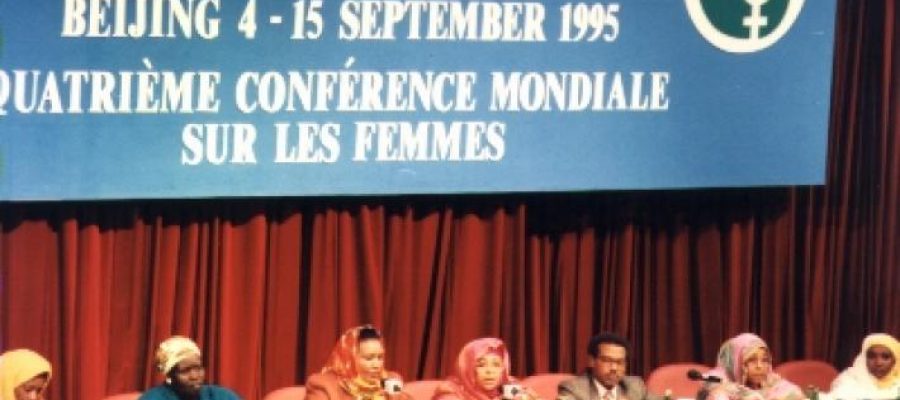
Furthermore, while numerous initiatives have historically sought to redress gender inequities by empowering women, there is an increasing consensus that promoting gender equity and improving women’s health and well-being also requires engaging men, of all ages. The 1994 International Conference on Population and Development (ICDP) in Cairo and the 1995 Fourth World Conference on Women in Beijing provided a foundation for including men in efforts to improve the status of women and girls. The ICPD Programme of Action, for example, seeks to “promote gender equality in all spheres of life, including family and community life, and to encourage and enable men to take responsibility for their sexual and reproductive behaviour and their social and family roles.”
Since the Cairo and Beijing conferences, numerous UN agencies, governments, and civil society organizations have affirmed the need to work with men and boys. In 1998, the World Health Organization decided to pay special attention to the needs of adolescent boys, recognizing that they had too often been overlooked in adolescent health programming. In 2000 to 2001, UNAIDS devoted the World AIDS Campaign to men and boys, recognizing that the behavior of many men puts themselves and their partners at risk, and that men need to be engaged in more thoughtful ways as partners in HIV/AIDS prevention and the support of persons living with AIDS. More recently, governments from around the world made a formal commitment at the 48th session of the Commission on the Status of Women (CSW) in 2004 to implement a range of ac-tions to involve men and boys in efforts to achieve gender equality.
In addition to the growing recognition that working with men and boys to challenge gender inequities can have a positive impact on the health and well-being of women and girls, there is also an increased understanding of how rigid ideals of gender and masculinities can lead to specific vulnerabilities among men and boys. This reality is evidenced by their higher rates of death by traffic accidents, their higher rates of suicide and violence, and their higher rates of alcohol and substance use in comparison to women and girls. Thus, for the sake of both young men’s and young women’s well-being, it is essential that programs seek to incorporate a gender perspective into work with youth.
But, what does it mean to apply a “gender perspective” to working with young men? Gender – as opposed to sex – refers to the different ways in which men and women are socialized to think, behave, and dress; it is the way these roles, usually stereotyped, are taught, reinforced, and internalized. We sometimes assume that the way that boys and men behave is “natural” – that “boys will be boys.” However, the roots of many of boys’ and men’s behaviors including, whether they negotiate with partners about condom use, whether they take care of children they father, or whether they use violence against a partner are found in the way boys are raised. To change how we raise and view boys is not easy. However, it has the potential to transform gendered relations, as well as reduce many of the health and social vulnerabilities that both women and men face.
In terms of health-seeking behaviors, boys are often raised to be self-reliant, not to worry about their health, and not to seek help when they face stress.

But being able to talk about one’s problems and to seek support is a protective factor against substance use, unsafe sexual practices, and involvement in violence. This could explain in part why boys are more likely than girls to be involved in violence and substance use.
What are gender norms? – let’s try to have this as something that we will remember from this online course.
Gender norms are standards and expectations to which women and men generally conform, within a range that defines a particular society, culture and community at that point in time. They are ideas about how women and men should be and act. Internalised early in life, gender norms can establish a life cycle of gender socialisation and stereotyping.
Gender transformative approach actively examines, questions, and changes rigid gender norms and imbalances of power. By transforming harmful, inequitable gender norms and values into positive ones, we improve the sexual and reproductive rights and health (SRHR) of all, prevent gender-based violence (GBV), and increase gender equality. Gender transformative programs are programs that are following above described approach.
SPIN IN SHORT
Spin works on developing projects, activities and methodologies involving combination of learning and sport. Activities of Spin are focused on young people in local communities and providing them knowledge and skills through educational trainings, exchanges, sport tournaments and international activities
LET’S COOPERATE
Have an idea that you want to turn into a project, have project you need help to implement, want to develop an online course?
Contact SPIN!
© Spin 2022 | Design by AMDesign